
Back to Blog
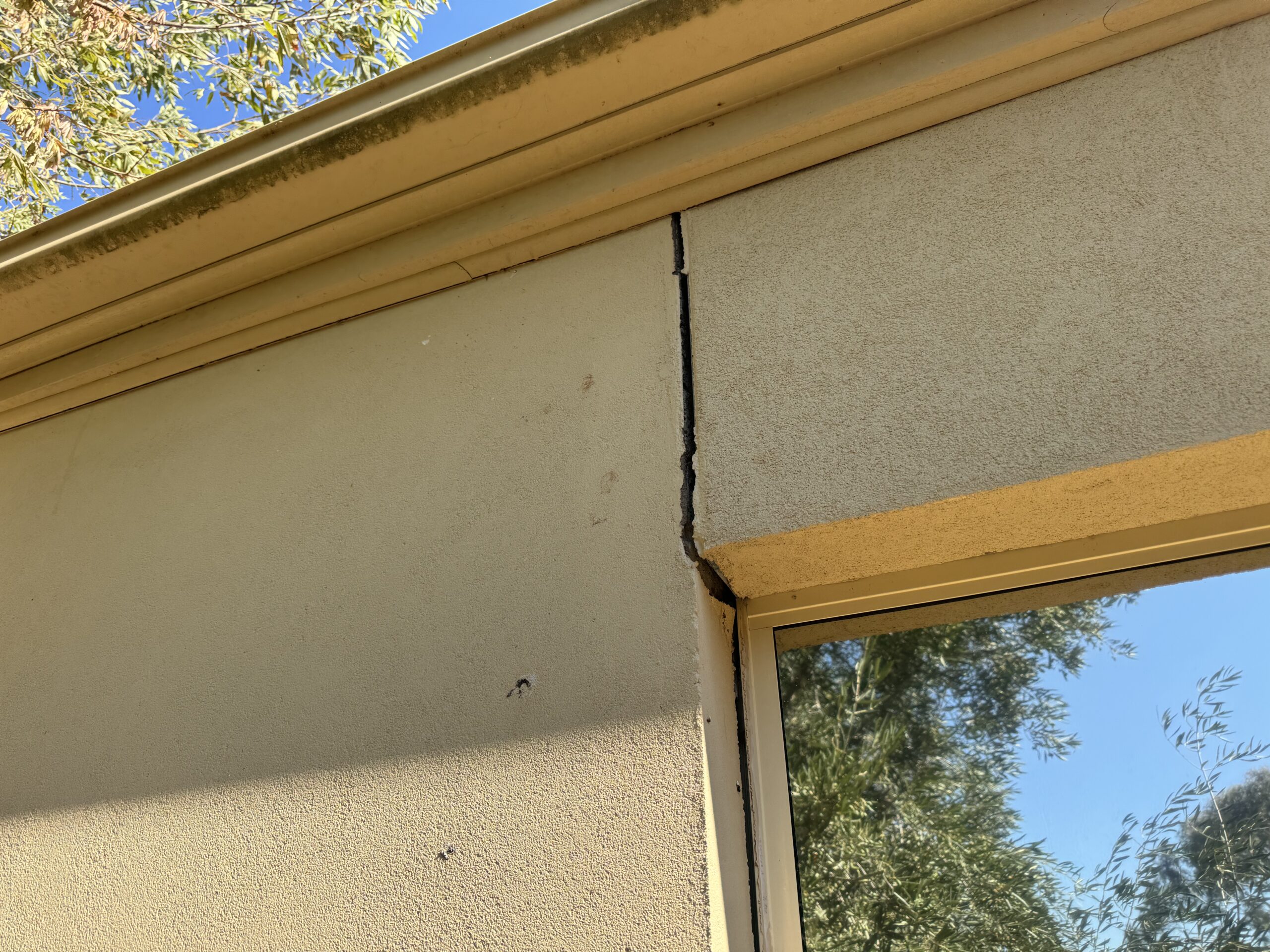
Table of Contents
Navigating any construction or renovation project can be complex. Understanding the foundation of building safety and compliance starts with a thorough structural report. This blog post will explain why these reports are indispensable for ensuring your project is sound, safe, and meets all necessary regulations.
What is a Structural Report?
A structural report is a detailed assessment of a building’s or structure’s integrity and condition. It is prepared by a qualified structural engineer. This report identifies potential issues, assesses risks, and provides recommendations for repairs or improvements.
It’s a critical document for homeowners, buyers, and developers alike. It offers peace of mind regarding the building’s stability and safety. In Adelaide, these reports are often required for council approvals and insurance purposes.
Why are Structural Reports Essential for Building Safety?
Structural reports are fundamental to ensuring the long-term safety of any building. They identify hidden defects that could lead to serious structural failures. Without them, you might unknowingly live or work in an unsafe environment.
A professional assessment from an experienced engineer can uncover:
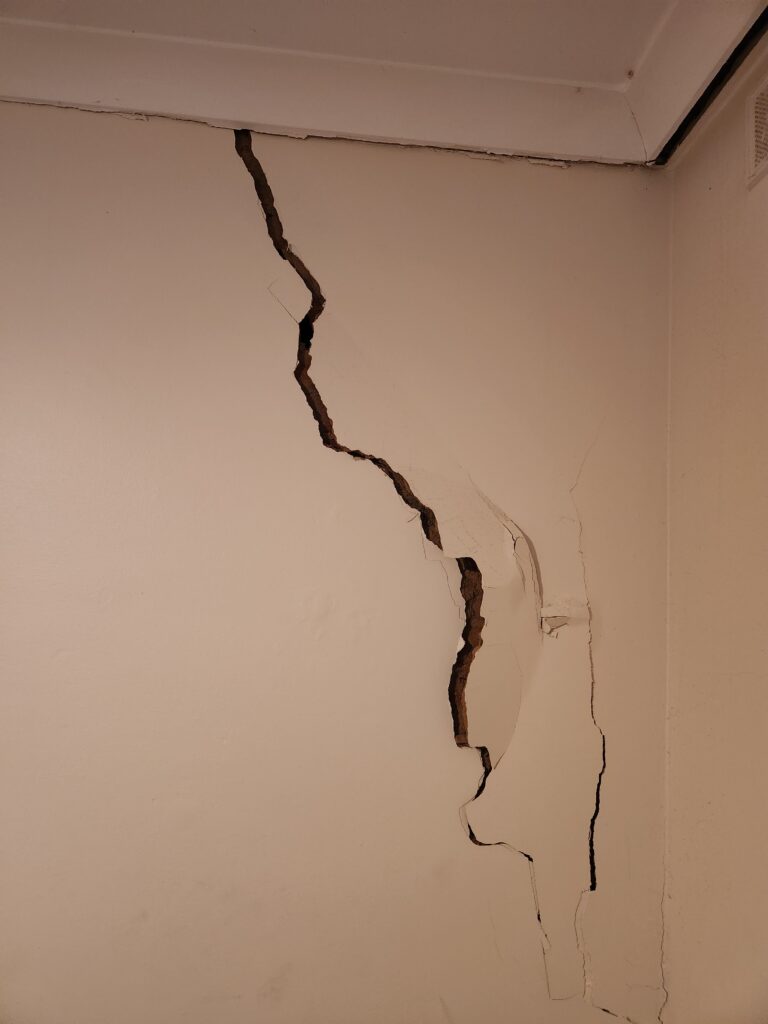
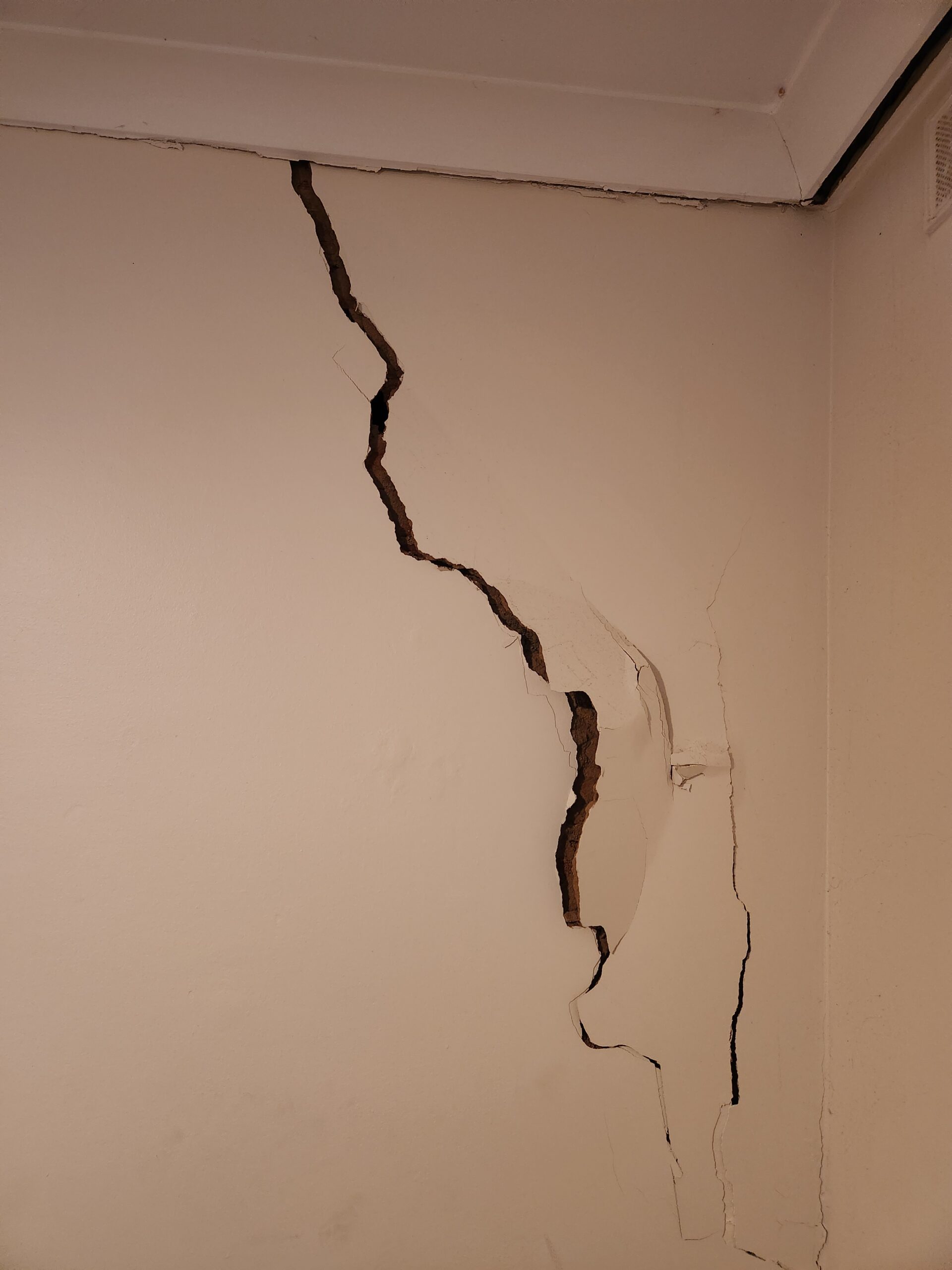
- Cracks in foundations or walls
- Subsidence or settlement issues
- Deterioration of structural components
- Inadequate load-bearing capacity
- Water damage affecting structural integrity
- Pest infestations compromising timber structures
These reports help prevent catastrophic failures and protect lives. They are a proactive step towards a secure future.
How Do Structural Reports Ensure NCC Compliance?
The National Construction Code (NCC) sets the minimum standards for building design and construction in Australia. Structural reports are vital for confirming that a project adheres to these stringent requirements. They provide documented proof of compliance.
Adhering to NCC compliance is not just about avoiding fines; it’s about building quality. A comprehensive structural report will:
- Verify that design loads meet code requirements.
- Confirm the suitability of materials used.
- Assess the construction methodology against NCC standards.
- Highlight any deviations that need rectification.
- Provide a pathway to achieve full compliance, ensuring building safety and legal standing.
This meticulous assessment helps avoid costly rework and delays later on. It ensures your project meets the highest standards from the outset. Our Adelaide engineers are experts in NCC compliance.
When Should You Get a Structural Report?
Structural reports are invaluable at several key stages of a project or property ownership. Knowing when to obtain one can save significant time and money. It’s a smart investment for safety and peace of mind.
Consider getting a structural report in these situations:
- Before purchasing a property: Identify any existing structural issues that could impact value or safety.
- Before renovations or extensions: Ensure the existing structure can support proposed changes.
- If you notice cracks, sagging, or unusual movement: These are signs of potential structural problems.
- After natural disasters (e.g., floods, earthquakes): Assess damage and recommend necessary repairs.
- For council approval of new builds or major alterations: Often a mandatory requirement.
- If disputes arise regarding property condition: Provides an objective, expert opinion.
Engaging a structural engineering consultant early can prevent small problems from becoming major ones.
The Role of Structural Engineering in Project Success
Structural engineering is the backbone of safe and durable construction. Structural reports are a critical tool within this discipline. They provide the necessary data for informed decision-making throughout a civil engineering project. OB Engineering delivers expert structural engineering solutions.
Key contributions of structural engineering include:
- Designing safe and stable structures.
- Selecting appropriate materials and construction methods.
- Ensuring resistance to environmental forces like wind and seismic activity.
- Providing expert analysis of existing structures.
- Offering solutions for complex structural challenges.
- Guaranteeing compliance with all relevant building codes and standards.
Ultimately, robust structural engineering practice, supported by detailed reports, leads to successful, long-lasting projects.
Conclusion
Structural reports are more than just paperwork; they are a fundamental component of building safety and compliance. They provide crucial insights into a structure’s integrity and are essential for any civil engineering project. Investing in a professional structural engineering assessment ensures the long-term stability and safety of your building.
FAQs
What does a structural engineer look for during an inspection?
A structural engineer looks for signs of distress, damage, or design flaws. This includes cracks, deflections, evidence of movement, material deterioration, and adherence to design specifications.
How long does a structural report take to complete?
The time varies depending on the size and complexity of the structure. A typical residential inspection and report might take a few days to a week. Larger commercial projects will take longer.
Do I need a structural report for a small home renovation?
It depends on the scope of the renovation. If it involves altering load-bearing walls, adding new levels, or significantly changing spans, a structural report is highly recommended, and often required by council.
Recent Posts



Get in touch to discuss your project
Reach out today to discuss how we can work together and explore the best solutions tailored to your needs.
Enquire Today