
Back to Blog
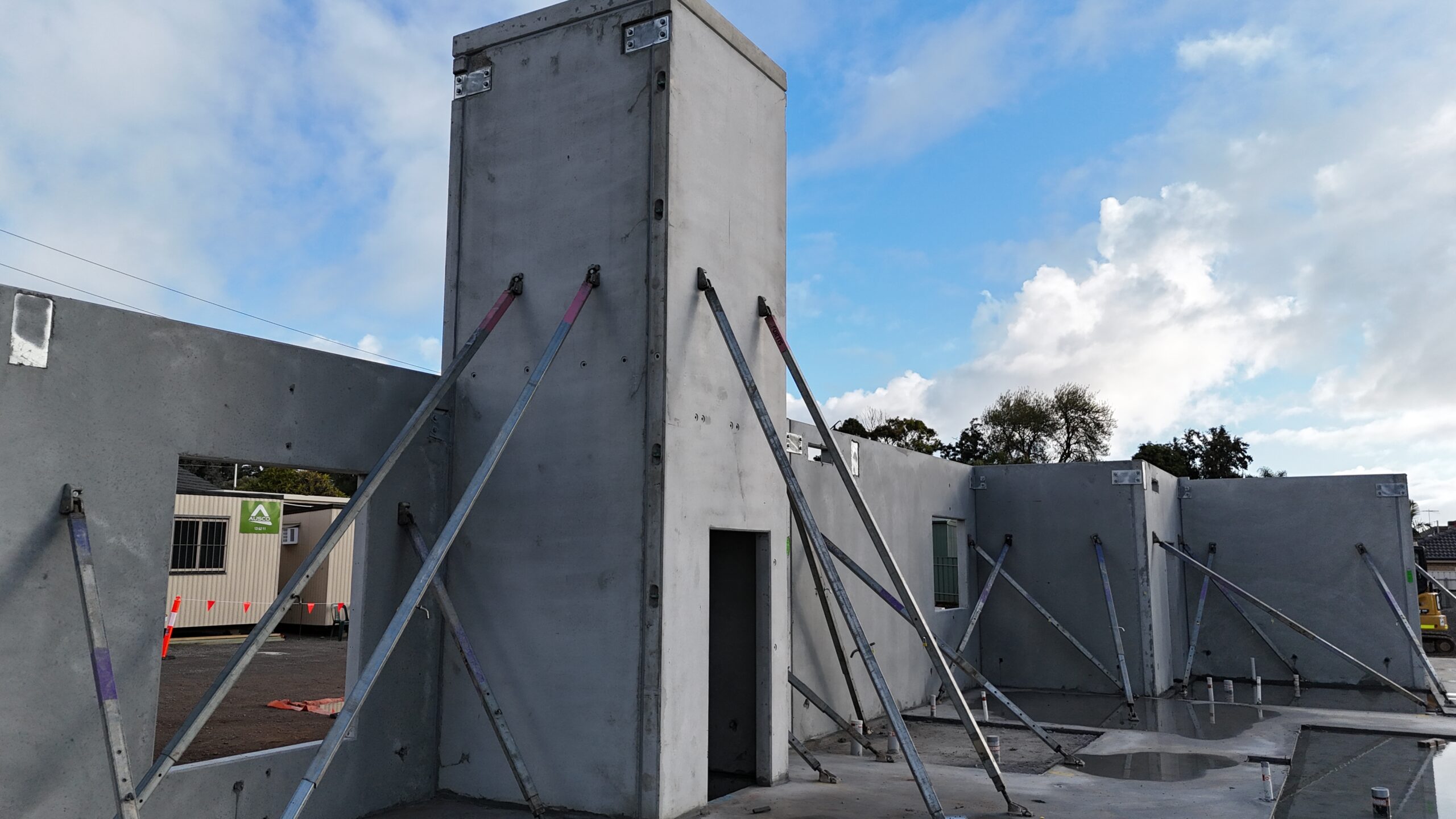
Table of Contents
Commercial developments, ranging from retail fit-outs and office buildings to warehouses and industrial facilities, rely on sound structural engineering to perform safely, efficiently, and compliantly over their full design life. Structural engineering is not a box-ticking exercise; it directly influences buildability, cost certainty, regulatory approval, and long-term asset performance.
Understanding the role of a qualified structural engineer in Adelaide is critical to the success of any commercial project.
What Does Structural Engineering Involve in Commercial Projects?
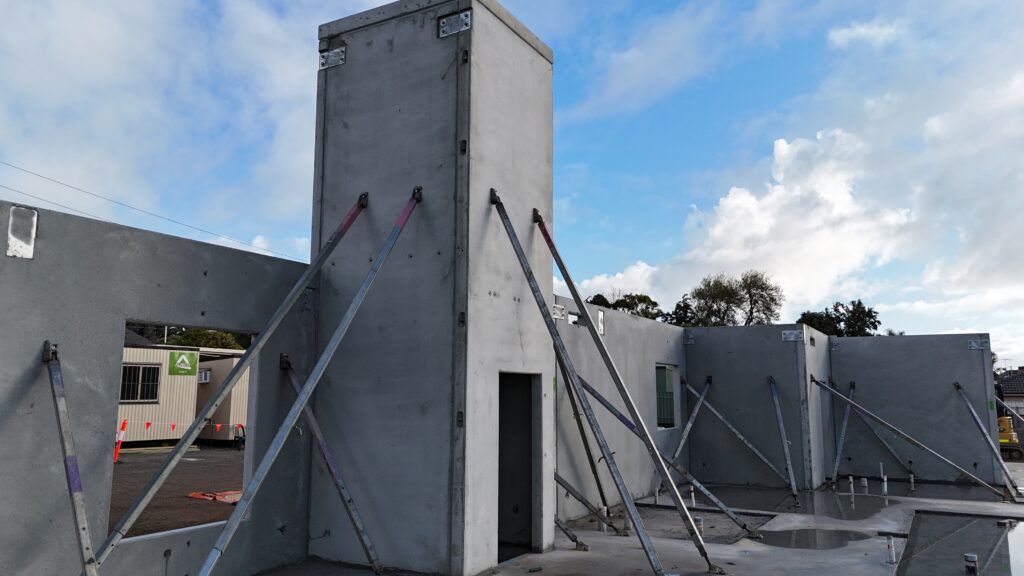
Structural engineering in commercial developments focuses on the design and verification of the building’s load-bearing systems. This includes the structural framework, foundations, slabs, columns, beams, walls, bracing systems, and roof structures.
A structural engineer is responsible for ensuring the building can safely resist all applicable actions, including:
- Permanent (dead) loads
- Imposed (live) loads from occupants, equipment, and storage
- Wind loads (often governing in Adelaide)
- Seismic actions (where applicable under AS 1170.4)
- Construction-stage loads
A structural engineer in Adelaide also ensures that the design complies with:
- The National Construction Code (NCC)
- Relevant Australian Standards (e.g. AS 1170 series, AS 3600, AS 4100, AS 2870 etc.)
- Local council and planning authority requirements
The outcome is a structure that is safe, serviceable, economical, and constructible.
Why Early Engagement of a Structural Engineer Is Critical
Early involvement of a structural engineer is critical for optimising design, preventing costly errors, and ensuring project efficiency. Their insights can significantly impact the feasibility and longevity of a commercial development. Addressing structural challenges proactively saves time and money in the long run.
- Foundation Design: A civil and structural engineer will utilise geotechnical investigations to understand soil conditions. This informs the optimal foundation design, preventing settlement issues and ensuring stability.
- Cost Efficiency: Early structural input can identify more economical structural systems design options. This avoids expensive redesigns and material changes later in the construction phase.
- Risk Mitigation: Identifying potential structural weaknesses or complex solutions early allows for proper planning and mitigation strategies. This reduces risks during construction and throughout the building’s lifespan.
- Design Integration: Collaborating from the outset ensures the structural design seamlessly integrates with architectural and other engineering disciplines. This leads to a more cohesive and functional building.
How Do Structural Engineers Ensure Safety and Compliance?
Structural engineers are paramount in ensuring commercial projects meet stringent safety standards and regulatory compliance. They apply their expertise to adhere to national and local building codes, protecting occupants and the public. Compliance is not just about legality; it’s about building trust and safety.
1. National Construction Code (NCC) Compliance Commercial
Engineers meticulously design to meet the NCC’s structural requirements. This includes provisions for strength, stability, and fire resistance. The NCC sets benchmarks for Australian construction.
2. Load Calculations
They precisely calculate all potential loads a building will experience. This includes dead loads (the building’s weight), live loads (occupants, furniture), wind loads, and seismic loads.
3. Material Specification
Structural engineers select appropriate materials like concrete, steel, and timber, specifying their grade and quantity. This is vital for the structural integrity of the commercial development.
4. Quality Assurance
Throughout the construction process, they review plans, inspect work, and ensure compliance with their designs. This oversight is critical for maintaining structural integrity.
The Role of Civil Engineering in Commercial Developments
While structural engineers focus on the building frame, civil engineers address the broader site and infrastructure requirements that enable the development to function. Key civil engineering services include:
Site and Feasibility Assessments
- Topography and levels
- Existing services and infrastructure
- Access and vehicle movements
Earthworks and Pavement Design
Design of cut and fill, hardstands, pavements, and access roads suitable for commercial traffic loads.
Stormwater Management and Drainage
Commercial sites in Adelaide require compliant stormwater systems to manage runoff, prevent flooding, and satisfy council and authority requirements.
Services and Infrastructure Coordination
Integration of water, sewer, stormwater, power, and communications with existing networks.
Civil, structural and service engineers must work together to deliver a fully compliant and buildable commercial outcome.
The OB Engineering Advantage for Commercial Projects in Adelaide
OB Engineering Group provides integrated civil and structural engineering services for commercial developments across Adelaide and South Australia.
Our approach is practical, risk-aware, and aligned with real construction outcomes. We support projects from early feasibility and concept design through to construction certification and post-construction support.
Clients engage OB Engineering for:
- Clear, compliant engineering solutions
- Strong understanding of local conditions and authorities
- Cost-effective, buildable designs
- Responsive support during construction
Our focus is delivering structures that are safe, durable, and fit for purpose, without unnecessary complexity.
FAQs
What is the difference between a civil engineer and a structural engineer on a commercial project?
A structural engineer designs the building’s load-bearing elements (foundations, frames, slabs, and bracing). A civil engineer focuses on site works such as earthworks, drainage, pavements, and services. Both disciplines are essential for a successful commercial development.
Do I need a structural engineer for a commercial renovation or fit-out?
Yes, if the works involve modifying load-bearing elements, adding equipment loads, changing roof structures, or altering the building’s use. A structural assessment is often required for approvals and risk management.
When should a structural engineer be engaged during a commercial project?
A structural engineer should be engaged before development approval or detailed architectural design is finalised. Early involvement allows structural constraints, footing requirements, and cost-effective framing systems to be incorporated into the design from the outset. This reduces redesign, approval delays, and construction variations, particularly for commercial buildings with long spans, heavy loads, or complex site conditions.
Recent Posts

Get in touch to discuss your project
Reach out today to discuss how we can work together and explore the best solutions tailored to your needs.
Enquire Today