
Back to Blog
Table of Contents
Structural design is the foundation of every successful residential building project.
Whether you are constructing a new dwelling, extending an existing home, or adding a granny flat to your property, the structural system determines how the building performs, how long it lasts, and how safely it responds to everyday use and environmental forces.
Structural design is simply the bedrock to your building’s integrity. Without it, you do not have the reassurance for how long it can stand the test of time. While architectural design defines the appearance and layout of a home, structural design ensures that vision can be built safely and sustainably.
In Australia, residential buildings must withstand a wide range of site conditions, from reactive soils and sloping land to coastal exposure and high wind regions. Professional structural design ensures these conditions are properly addressed through compliant engineering solutions that meet Australian Standards and the National Construction Code.
At OB Engineering, we specialise in structural engineering design for residential projects, including new dwellings, extensions, additions and granny flats. Our approach focuses on clarity, efficiency and long term performance. This article explains the importance of structural design in residential construction, how engineers approach different types of projects, and why engaging a qualified residential structural engineer is essential for achieving safe and durable building outcomes.
What Is Structural Design in Residential Construction
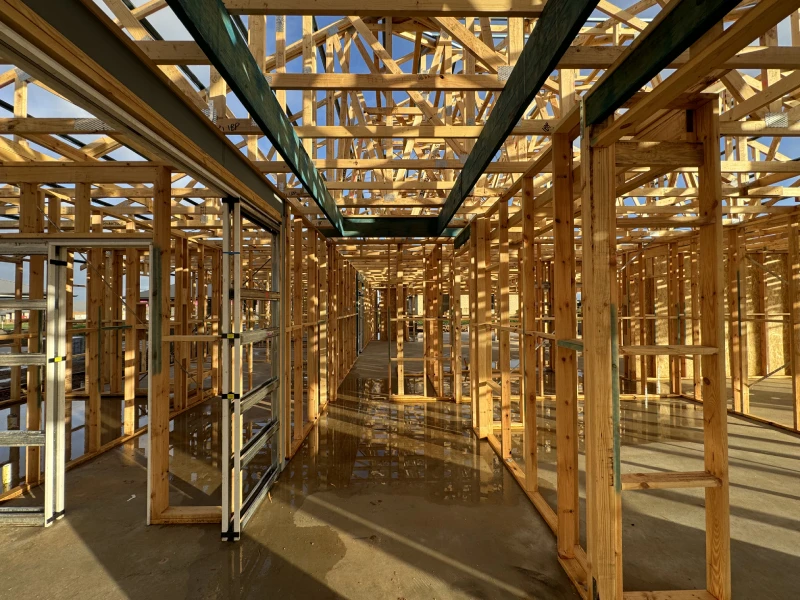
Structural design involves analysing loads, materials and site conditions to determine how a building will safely stand and function. In residential construction, this includes the design of footings, slabs, walls, floors, roofs, bracing systems and all structural connections.
A structural engineer considers how loads are transferred through the building, starting at the roof and working down through the framing and foundations into the ground. These loads include the weight of the building itself, occupants, furniture, wind forces and other environmental actions.
Structural design ensures that each component of the building works together as a complete system rather than as isolated elements. Without proper structural design, even well built homes can experience excessive movement, cracking or performance issues over time.
The Role of Structural Design in New Dwellings
New dwellings provide the opportunity to design the structural system from the ground up. Structural engineers work closely with architects, designers and builders to ensure the structure supports the architectural intent while remaining practical and cost effective to construct.
For new homes, structural design typically includes:
- Footing and slab design based on soil classification
- Wall framing design for load bearing and non load bearing walls
- Floor and roof framing systems
- Bracing layouts to resist wind loads
- Tie down systems to manage uplift forces
- Load path continuity from roof to foundation
In Australia, soil conditions play a significant role in new dwelling design. Many residential sites are classified as reactive, meaning the soil expands and contracts with changes in moisture. Structural engineers design slabs and footings that can accommodate this movement while minimising the risk of damage to the building.
A well designed structural system supports the long term performance of the home, reduces maintenance issues and provides peace of mind for homeowners.
Structural Design for Home Extensions and Additions
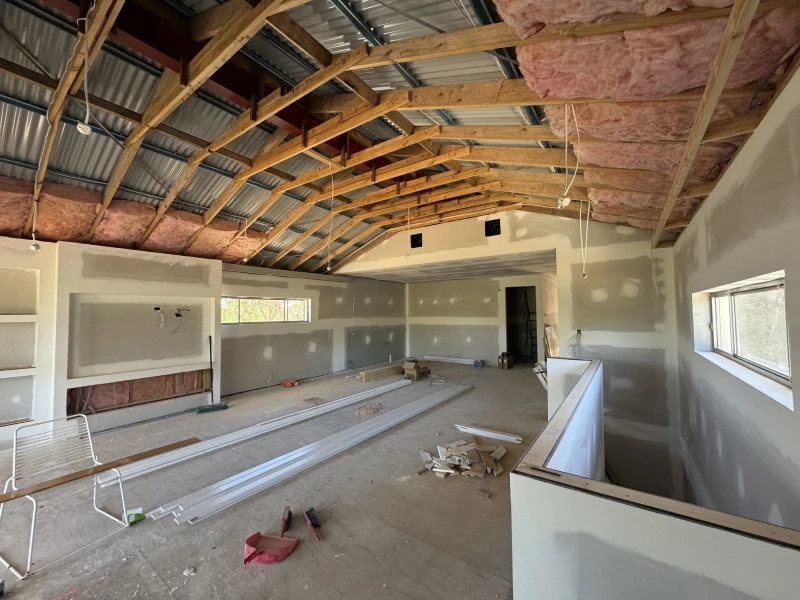
Extensions and additions present unique structural challenges compared to new dwellings. These projects require the new structure to integrate with an existing building that may have been designed under different standards or constructed decades earlier.
Structural design for extensions often involves:
- Assessing the existing structure and footings
- Designing new footings that do not compromise existing foundations
- Managing load transfer between old and new structures
- Ensuring compatibility between different construction systems
- Allowing for differential movement
A common issue in poorly designed extensions is uneven movement between the original house and the new addition. Structural engineers manage this by carefully detailing connections, footing systems and construction sequencing.
At OB Engineering, we ensure extensions and additions are structurally integrated in a way that supports both performance and longevity, while minimising disruption during construction.
Structural Design for Granny Flats and Secondary Dwellings
Granny flats and secondary dwellings are increasingly popular across Australia, particularly in urban and suburban areas. While these structures are typically smaller than main dwellings, they still require professional structural design to ensure safety and compliance.
Structural considerations for granny flats include:
- Independent footing and slab systems
- Structural separation where required by regulations
- Efficient framing layouts suited to compact designs
- Compliance with local council and planning requirements
- Durability and low maintenance outcomes
Granny flats are often constructed close to existing dwellings, which means site constraints must be carefully managed. Structural engineers design systems that maximise usable space while ensuring stability and compliance.
Site Conditions and Their Impact on Structural Design
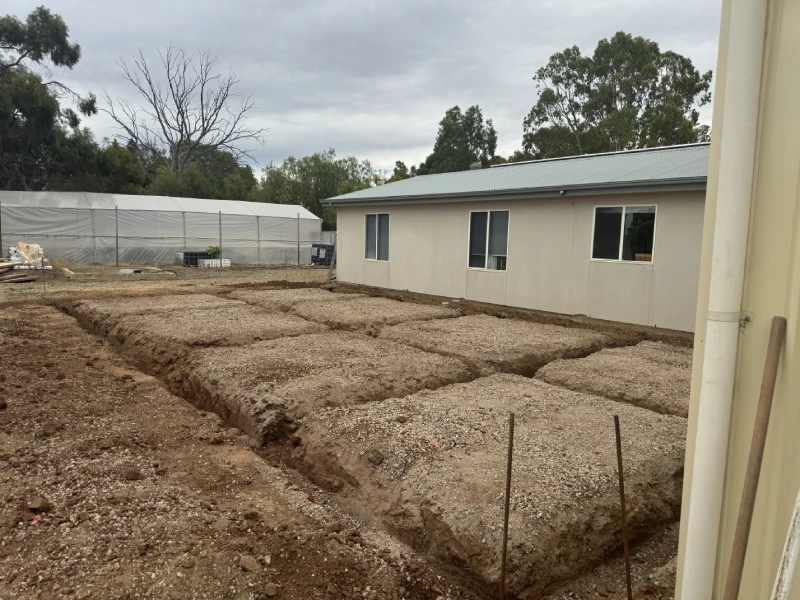
Every residential site presents unique challenges that influence structural design decisions. Understanding site conditions is critical to achieving a safe and durable outcome.
Reactive Soils
Reactive clay soils are common in many parts of Australia. These soils expand when wet and shrink when dry, causing ground movement beneath buildings. Structural design addresses this through appropriate slab thickness, beam depth, footing design and moisture management strategies.
Sloping Sites
Sloping sites require careful structural planning to manage changes in elevation. Structural solutions may include stepped footings, suspended floors, retaining structures or split level designs. Proper drainage is also essential to prevent water from undermining footings.
Coastal and High Wind Areas
Homes located near the coast or in high wind regions require additional structural considerations. These may include corrosion resistant materials, enhanced tie down systems and increased bracing capacity. Structural design ensures the home remains stable and durable in challenging environments.
Structural Detailing and Documentation
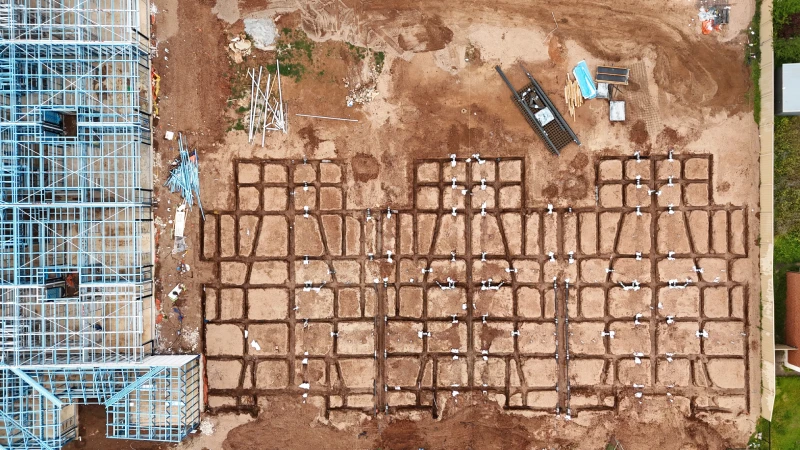
Structural detailing is where design intent is translated into clear construction information. Accurate detailing ensures builders understand how each structural element is to be constructed and connected.
Good structural documentation includes:
- Clear framing layouts and member sizes
- Connection details between structural elements
- Bracing and tie down specifications
- Reinforcement details for concrete elements
- Notes aligned with Australian Standards
At OB Engineering, we prioritise clarity in our drawings and documentation. Clear documentation reduces on site confusion, minimises construction errors and supports efficient project delivery.
Constructability and Practical Design
Structural design must be practical as well as compliant. Engineers consider how the structure will be built, the sequence of construction and the methods typically used by residential builders.
Constructability considerations include:
- Using standard materials and sizes where possible
- Designing efficient load paths
- Avoiding unnecessary complexity
- Aligning structural layouts with architectural plans
- Supporting efficient construction timelines
A well considered structural design balances engineering requirements with practical building methods, resulting in cost effective and reliable outcomes.
Engineering Judgment in Residential Structural Design
While standards and calculations are essential, engineering judgment plays a critical role in residential structural design. Experienced engineers understand how buildings perform in real world conditions, not just on paper.
Engineering judgment helps to:
- Select appropriate structural systems for each project
- Balance efficiency and durability
- Anticipate potential construction challenges
- Avoid over engineering or under engineering
- Support long term performance of the home
At OB Engineering, our engineers apply practical experience to every project, ensuring designs are robust, buildable and suited to the specific needs of each client.
Compliance With Australian Standards and Regulations
Residential structural design must comply with Australian Standards and the National Construction Code. Structural engineers ensure that designs meet these requirements while also addressing site specific conditions.
Compliance supports:
- Building approval processes
- Safety and performance expectations
- Insurance and certification requirements
- Long term durability of the structure
Engaging a qualified structural engineer helps ensure all regulatory obligations are met from the outset of the project.
How OB Engineering Supports Residential Projects
OB Engineering provides structural engineering design services for a wide range of residential projects across Australia. Our focus is on delivering clear, compliant and reliable structural solutions that support quality construction.
Our services include:
- Structural design for new dwellings
- Engineering for home extensions and additions
- Granny flat and secondary dwelling design
- Slab and footing system design
- Roof and wall framing design
- Bracing and tie down systems
- Structural certifications and documentation
We work collaboratively with homeowners, builders and designers to ensure each project achieves a strong technical foundation.
Building Better Homes Through Structural Design
Structural design is fundamental to creating homes that are safe, durable and suited to their environment. When residential projects are supported by professional structural engineering, the result is improved performance, reduced risk and greater confidence for all stakeholders.
OB Engineering delivers residential structural design services that support new homes, extensions and secondary dwellings with technical clarity and practical insight. Our engineers are committed to producing designs that stand the test of time and support quality construction outcomes.
If you are planning a new dwelling, extension or granny flat and require expert structural design, contact OB Engineering to discuss your project and ensure your home is built on a strong and compliant structural foundation.
Recent Posts


Get in touch to discuss your project
Reach out today to discuss how we can work together and explore the best solutions tailored to your needs.
Enquire Today