
Back to Blog
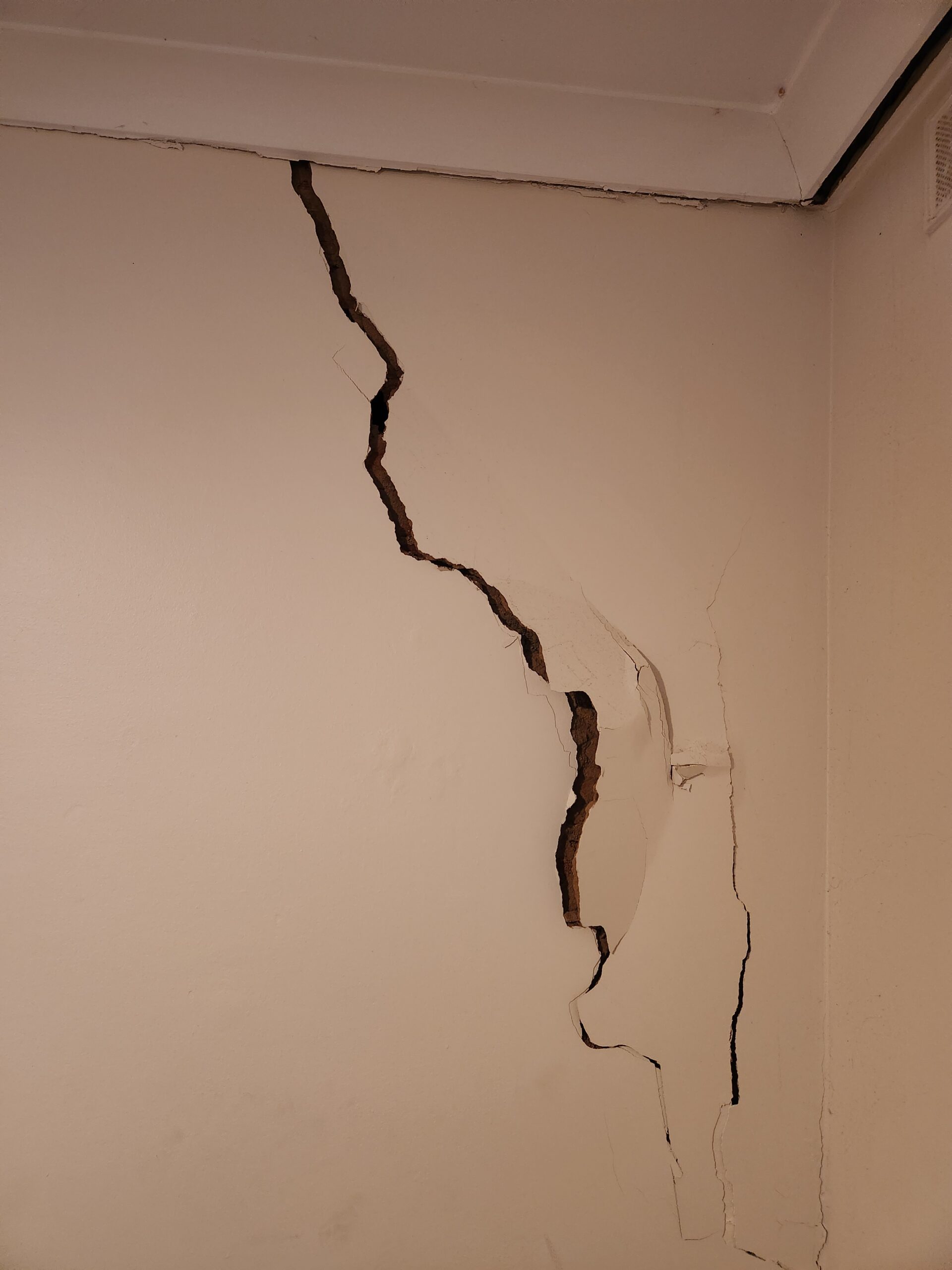
Table of Contents
What Are Structural Cracks?
Structural cracking refers to fractures that develop within elements responsible for supporting and stabilising a building, including foundations, beams, columns and load-bearing walls. Unlike cosmetic cracking, these signs may indicate changes in how loads are being carried through the structure and can warrant further investigation.
Such cracking is often linked to underlying movement or changes in site or structural conditions. Identifying these signs early allows for appropriate assessment and helps protect the long-term performance of the building.
How Do Structural Cracks Differ from Cosmetic Cracks?
Distinguishing between cracking that affects structural performance and cracking that is cosmetic in nature is important when assessing a building. Non-structural cracking is generally superficial and does not influence how loads are carried through the structure.
Non-structural cracking
- Appearance
Often hairline, irregular, or following plaster joints or mortar lines. - Location
Commonly found in plaster, drywall, render, or other non-load-bearing finishes. - Typical causes
Minor settlement, temperature changes, material shrinkage, or ageing finishes. - Implications
Generally cosmetic and addressed through surface repairs.
Cracking affecting structural elements
- Appearance
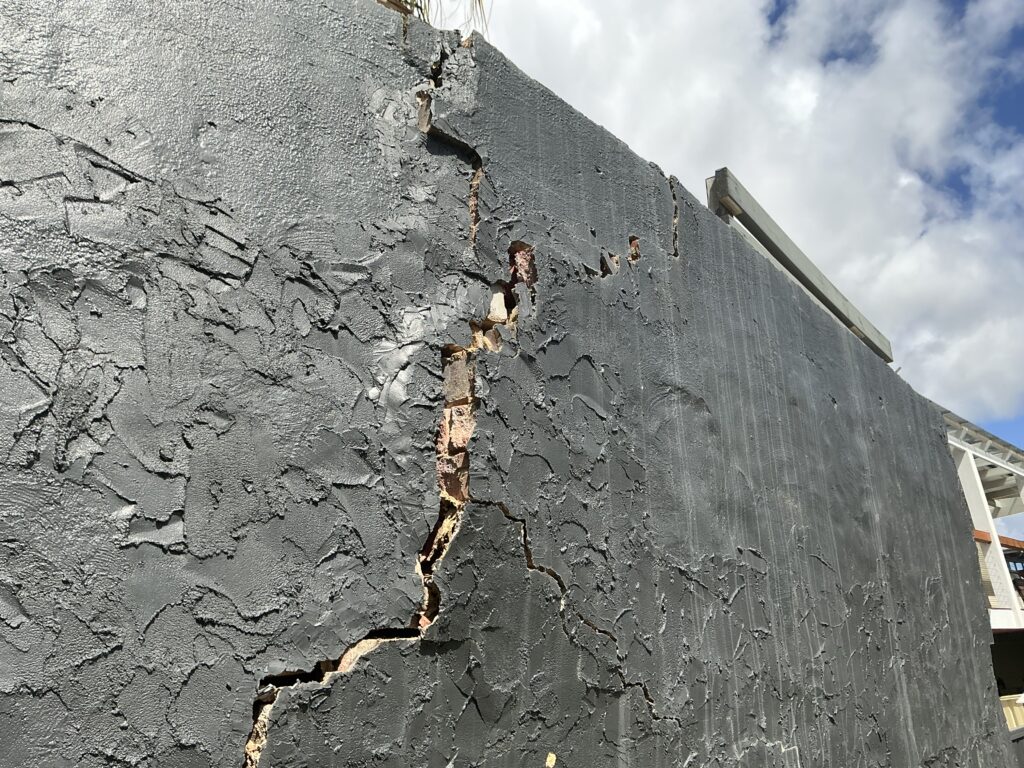
Wider openings, often diagonal, vertical, or horizontal, which may extend through masonry, concrete, or structural walls. Cracks may vary in width along their length. - Location
Frequently observed in foundations, load-bearing walls, around openings such as doors and windows, or at junctions between original structures and additions. - Typical causes
Ground movement, foundation settlement, subsidence, water-related issues, construction deficiencies, or changes in loading. - Implications
May indicate changes in how loads are being transferred and should be assessed by a structural engineer.
What Are the Common Causes of Structural Cracks in Adelaide Homes?
Cracking that affects structural elements can develop for a range of reasons, particularly in Adelaide where soil conditions vary significantly across suburbs and regions. Common contributing factors include:
Foundation settlement
Uneven settlement can occur when parts of a footing system shift due to changes in bearing conditions or soil moisture. Reactive clay soils, which are common across much of Adelaide, are particularly sensitive to these changes.
Soil movement
Expansive clay soils swell when wet and shrink as they dry. This ongoing movement can place stress on footings and walls, leading to cracking over time.
Water-related issues and subsidence
Leaking services, inadequate drainage, or uncontrolled stormwater can soften supporting soils or wash away finer particles beneath foundations. This loss of support can result in localised movement and cracking.
Tree root influence
Large trees located near buildings can affect soil moisture levels beneath footings. Root growth and moisture extraction can contribute to ground movement and settlement, particularly during extended dry periods.
Construction-related factors
Inadequate footing design, insufficient reinforcement, or poor-quality materials can reduce a structure’s ability to accommodate normal movement, increasing the likelihood of cracking as the building ages.
Seismic activity
Although less common in Adelaide, minor earthquakes or ground vibrations can contribute to movement or exacerbate existing weaknesses within a structure.
What Should You Do if You Discover Structural Cracks?
Discovering structural cracks can be unsettling, but taking the right steps promptly is crucial. Follow these actions if you suspect your home has structural cracks:
- Document the Cracks:
- Take clear photographs, noting the location, size, and pattern of each crack.
- Note the date of discovery. This helps in monitoring their progression.
- Monitor the Cracks:
- Place tell-tales (small markers like plaster or tape) across the cracks.
- Periodically check if the cracks are widening, lengthening, or remaining stable. Record your observations.
- Contact a Professional Structural Engineer:
- This is the most critical step. A qualified structural engineer, such as OB Engineering in Adelaide, can accurately assess the severity of the cracks.
- They will investigate the underlying causes and recommend appropriate remedial actions.
- They can differentiate between serious structural issues and more minor, cosmetic problems.
- Avoid DIY Solutions:
- Patching structural cracks without understanding the cause is a temporary fix. It can mask a more significant issue.
- Proper diagnosis and repair are essential to prevent further damage and ensure long-term stability.
How Can OB Engineering Help with Structural Cracks?
OB Engineering provides expert Forensic and Structural engineering services. We specialise in identifying, assessing, and providing solutions for structural issues in residential properties across South Australia. Assessment of cracking may also consider whether the structure continues to meet the relevant performance requirements of the National Construction Code and the Australian Standards.
Our process typically involves:
- Thorough Inspection: A detailed on-site assessment of your property to identify all visible cracks and potential contributing factors.
- Root Cause Analysis: Using our expertise, we determine the originating cause of the structural cracks, whether it’s foundation settlement, soil movement, or other factors.
- Diagnostic Reporting: We provide a comprehensive report outlining our findings. It includes photographic evidence and a clear explanation of the crack’s nature.
- Remedial Recommendations: We offer practical, cost-effective, and engineered solutions. These might include underpinning, foundation repair, drainage improvements, or wall stabilisation.
- Construction Support: We can liaise with builders and contractors. We ensure that the recommended repairs are implemented correctly and to the highest standards.
Do not let structural cracks compromise your peace of mind or the safety of your home. Early intervention is key.
Conclusion
Understanding, identifying, and promptly addressing structural cracks in your home is vital for its long-term safety and value. If you suspect any cracking, especially in Adelaide’s varied soil conditions, engaging a professional structural engineer is the most important step. OB Engineering is here to provide the expertise you need.
FAQs
When should I worry about a crack in my wall?
Cracking may warrant further attention if it is relatively wide, increases over time, appears horizontal or diagonal, extends through masonry, or occurs alongside other signs such as movement or misalignment. These characteristics can indicate changes in how loads are being transferred and are commonly assessed by a structural engineer.
Can structural cracks be repaired?
In many cases, cracking associated with structural behaviour can be addressed. The appropriate approach depends on the underlying cause, extent of movement, and overall condition of the structure. Repairs often focus on addressing contributing factors, such as footing movement or load redistribution, before surface repairs are undertaken.
How much does it cost to fix structural cracks?
Costs vary depending on the cause of the cracking, the extent of investigation required, and the type of remedial works involved. An engineering assessment helps clarify the nature of the issue and supports more accurate scoping and pricing of any required works.
Do all cracks mean there is a structural problem?
No. Many cracks are cosmetic and relate to finishes, material shrinkage, or minor movement. An assessment helps distinguish between surface cracking and issues that may be related to structural performance.
Should cracking be assessed before buying or selling a property?
Cracking observed during a property transaction is often reviewed as part of due diligence. Structural engineering input can assist in understanding the nature of the cracking and whether further investigation or documentation may be appropriate.
Recent Posts

Get in touch to discuss your project
Reach out today to discuss how we can work together and explore the best solutions tailored to your needs.
Enquire Today