Back to Blog
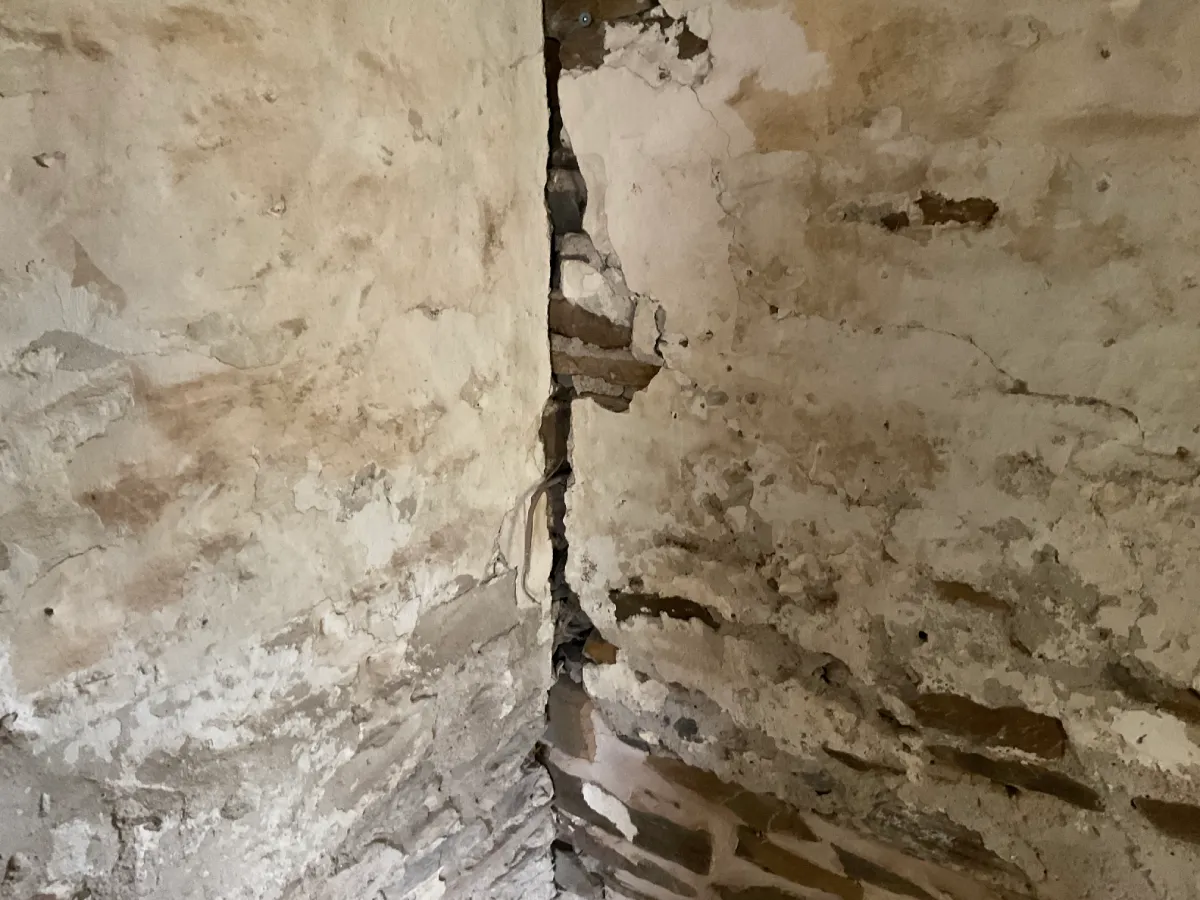
Table of Contents
When Buildings Speak Through Their Cracks
When a building begins to show cracks, water ingress, or uneven settlement, these are not merely aesthetic issues; they are symptoms of deeper structural problems. At OB Engineering, our role as forensic engineers is to interpret these symptoms through detailed building defect investigations and determine their root cause.
Understanding why a building fails is the first and most critical step toward making it safe, stable, and insurable once again. From residential complexes to commercial structures, every building tells a story through its materials, design, and performance over time. Through methodical root cause analysis and scientific evaluation, we reveal the story behind failure, not just what went wrong, but how and why it happened.
Understanding the Nature of Structural Failure
Structural failure occurs when a building or its components no longer perform their intended function safely. Failures can be sudden, such as a collapse due to overloading or corrosion, or gradual, evolving quietly over years due to poor drainage, inadequate design, or substandard materials. Common causes include design or construction errors, material degradation, water penetration, foundation movement, poor maintenance, and environmental stressors such as wind or temperature variation.
However, every case is unique. To restore confidence in a structure, engineers must identify the specific sequence of events that led to failure, separating surface damage from deeper causative factors. This is where a forensic building defect investigation becomes essential.
The Purpose of Building Defect Investigation
A building defect investigation is a technical examination of why a building component failed to perform as designed. It blends structural engineering expertise with diagnostic testing and investigative reasoning.
For property owners, insurers, and legal professionals, these investigations provide clarity on what caused a defect or collapse, evidence for insurance or litigation support, guidance for effective and lasting rectification, and assurance that similar failures won’t recur.
At OB Engineering, our forensic engineers conduct comprehensive investigations that not only explain what went wrong but also how to prevent it from happening again. This insight forms the backbone of our engineering reports, which serve as both technical documentation and strategic roadmaps for remediation.
The Root Cause Analysis Process
1. Initial Assessment and Evidence Collection
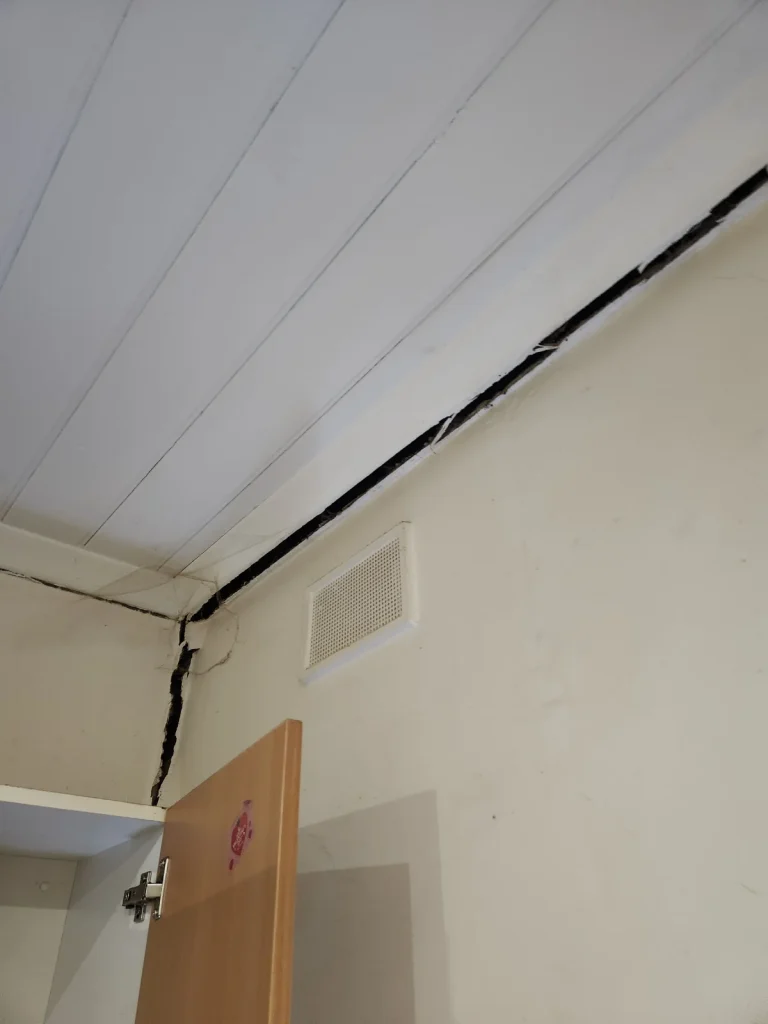
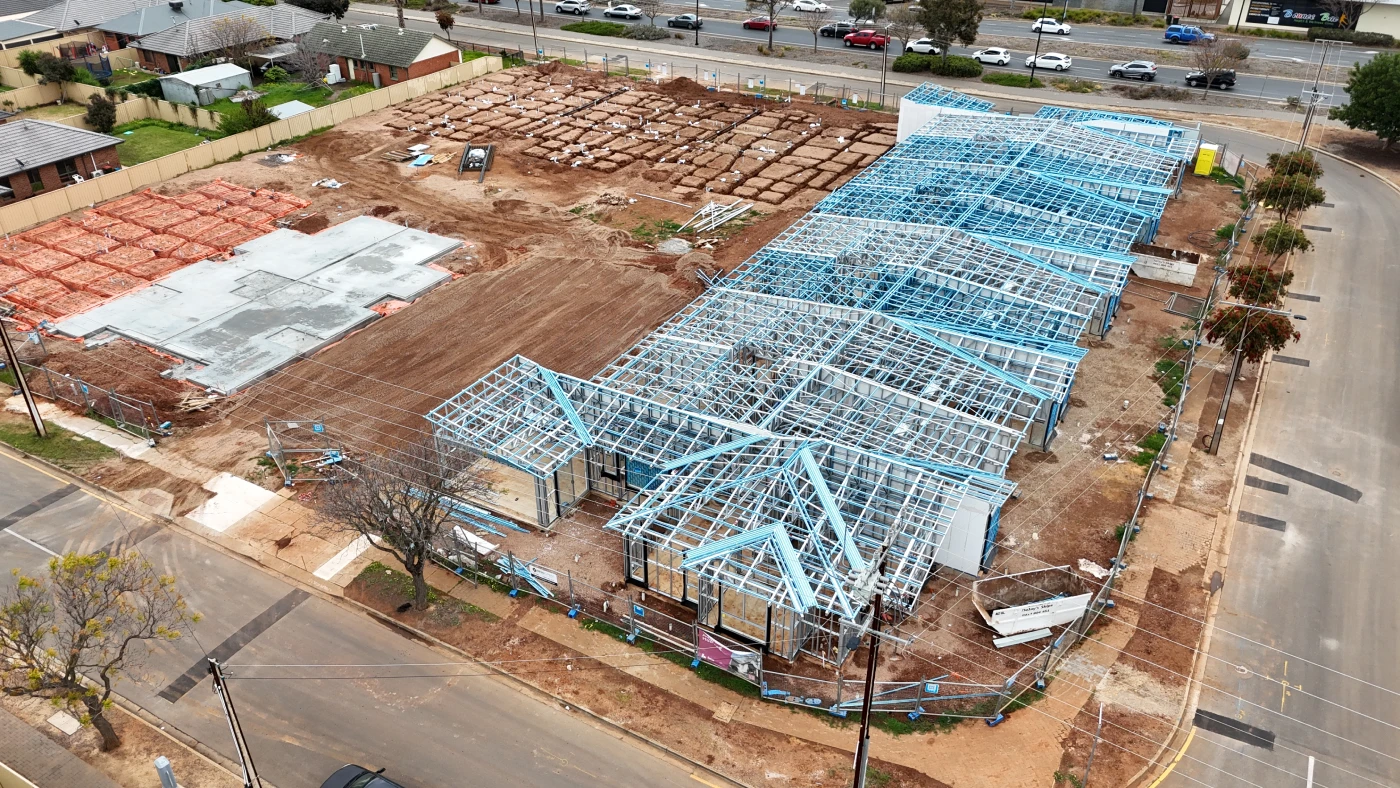
Every investigation begins with an on-site inspection. Engineers visually assess the extent of damage and document observable conditions such as cracks, corrosion, deflection, moisture ingress, and other visible cues. High-resolution photography, laser measurement, and sometimes drone imaging are used to build a comprehensive defect profile. This phase also includes reviewing architectural and structural drawings, material specifications, maintenance logs, and weather or environmental data. This evidence allows us to form preliminary hypotheses about potential root causes.
2. Testing and Verification
To move beyond assumptions, OB Engineering applies a combination of field and laboratory tests to confirm the underlying mechanism of failure. Depending on the case, testing may include concrete compressive strength testing, steel reinforcement scans, soil bearing capacity and settlement analysis, moisture mapping and leak detection, and non-destructive testing (NDT) using ultrasonic or radar technology. These results allow our engineers to validate or eliminate possible causes such as poor workmanship, environmental effects, or design flaws until the true root cause emerges.
3. Analytical Modelling and Engineering Review
Our engineers use advanced computational modelling and load analysis to simulate how the structure performed under real-world conditions. This step bridges the gap between physical observations and theoretical performance expectations. By comparing the structure’s actual behaviour to its design intent, OB Engineering identifies discrepancies that point to structural failure mechanisms such as overstressed beams, foundation settlement, or inadequate lateral bracing.
4. Root Cause Identification and Reporting
The root cause analysis culminates in a detailed engineering report, which outlines the origin of the defect or failure, the mechanism by which it progressed, the contributing environmental, material, or human factors, and recommendations for repair and remediation. This document not only supports insurance claims and legal cases but also provides invaluable technical insight for future construction and maintenance decisions.
Common Scenarios Where Building Defect Investigations Are Needed
Cracking and Structural Movement
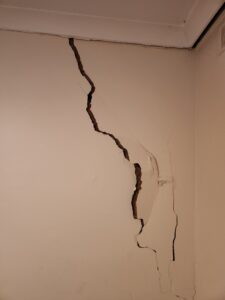
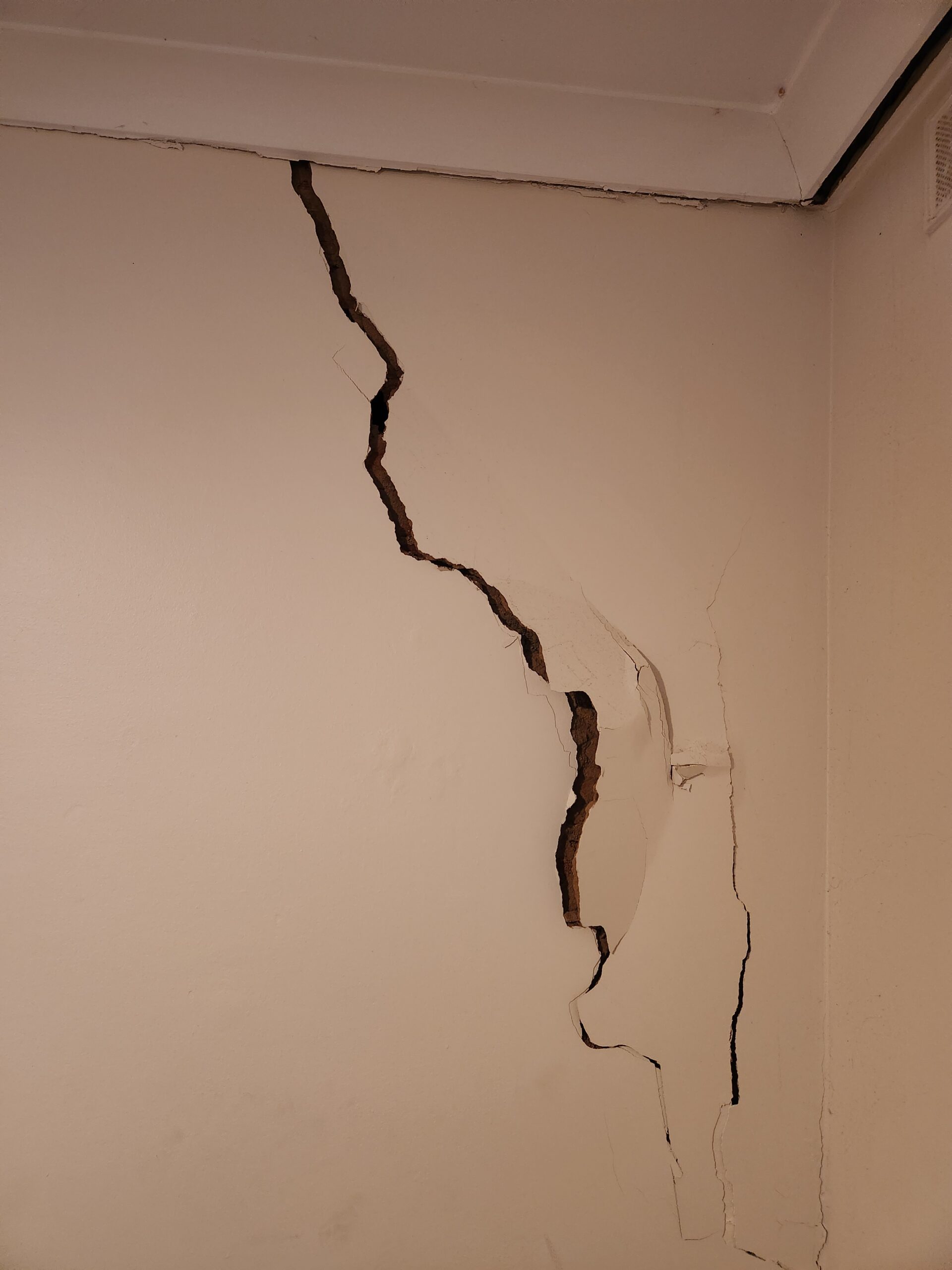
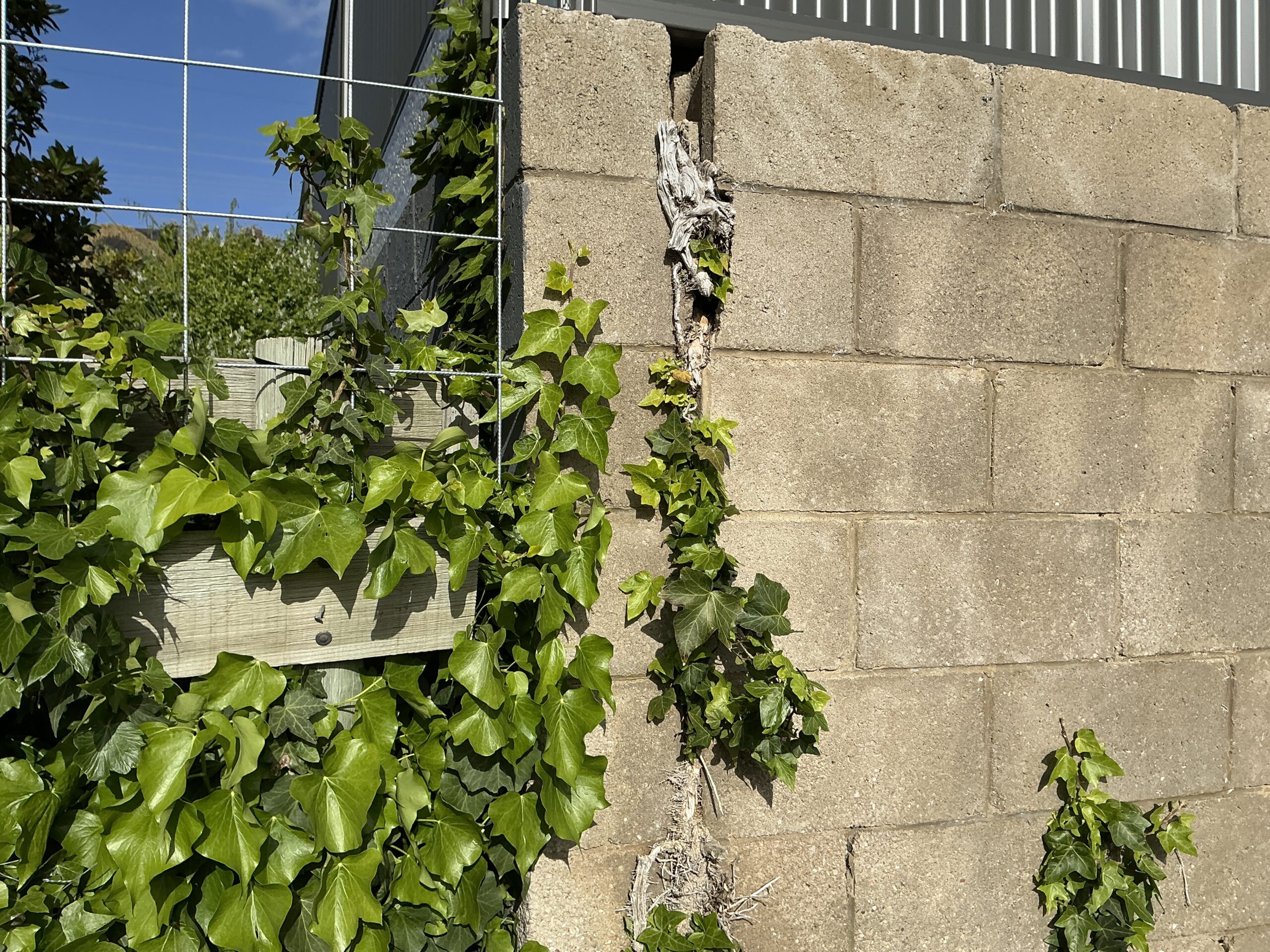
Cracks in walls or slabs often indicate differential foundation movement, thermal expansion, or poor structural detailing. While hairline cracks might appear superficial, they can be early signs of significant structural failure if ignored.
Water Ingress and Moisture Damage
Water is one of the most common and destructive agents in the built environment. Through improper waterproofing, drainage issues, or material degradation, water can weaken structural elements over time. Building defect investigations trace the moisture pathway to its origin, whether it’s design error or construction failure.
Roof and Façade Failures
Wind uplift, poor fixings, or corrosion can lead to roof system failures. Similarly, façade panels may detach or degrade due to thermal cycling or incorrect installation. Identifying the root cause ensures that remedial actions target the actual problem, not just the symptoms.
Foundation Settlement
Soil movement, tree root interference, or groundwater variation can cause uneven foundation settlement. Forensic assessment pinpoints the reason, whether it’s design inadequacy, compaction issues, or environmental change, and informs stabilisation or underpinning solutions.
The Role of Engineering Reports in Structural Failure Cases
An engineering report is the formal outcome of a defect investigation, a technical and evidentiary document that carries weight in insurance, legal, and construction contexts. For clients such as strata managers, insurers, and property owners, OB Engineering’s reports clearly define the root cause of failure, quantify the extent and severity of the defect, provide repair recommendations grounded in engineering principles, and offer expert witness support where litigation arises. Our reports are structured for clarity, ensuring technical findings are easily understood by all stakeholders from builders to lawyers.
Why Root Cause Analysis Matters for Risk Management
For builders, insurers, and property managers, root cause analysis is more than just a diagnostic process; it’s a tool for managing long-term risk. Without identifying the true source of a failure, repairs risk being superficial, leading to repeated defects and escalating costs.
In contrast, OB Engineering’s evidence-based approach delivers precision in identifying failure mechanisms, transparency through verifiable data and testing, and durability in recommending sustainable repair solutions. By addressing the “why,” we empower stakeholders to make informed, cost-effective decisions backed by engineering certainty.
Collaboration Between Engineers, Homeowners, Insurers, and Legal Teams

Many of OB Engineering’s investigations are initiated in the context of worried homeowners, insurance claims or legal disputes. Whether a structure has suffered storm damage, subsidence, or material failure, insurers and solicitors rely on forensic engineering reports to substantiate claims and support fair outcomes. Our engineers act as impartial experts, interpreting the evidence rather than assigning blame. Through clear documentation and expert witness testimony, we bridge the gap between technical analysis and legal understanding.
The OB Engineering Difference
At OB Engineering, we combine technical depth with local insight. Our engineers understand the unique challenges of Australian building environments, from reactive clay soils to extreme weather exposure. What sets us apart is our commitment to thorough investigation integrating field observation, testing, and analytical modelling; clear communication ensuring findings are understood by technical and non-technical stakeholders alike; and trusted expertise built on a reputation for integrity and precision across insurance, legal, and construction sectors.
Every investigation we undertake strengthens our mission: to help clients build safer, more resilient structures through knowledge and evidence.
From Failure to Insight
When buildings fail, the consequences reach far beyond physical damage. They affect safety, finances, and reputations. But with the right expertise, failure becomes an opportunity for insight and improvement. Through building defect investigations and root cause analysis, OB Engineering helps uncover the hidden story behind every defect, guiding property owners, insurers, and engineers toward effective, lasting solutions. By understanding how and why structures fail, we build a future where they don’t have to.
If your property shows signs of cracking, structural distress, or water ingress, don’t wait until the damage escalates. Contact OB Engineering to arrange a professional building defect investigation and ensure the structural integrity of your asset. OB Engineering – Trusted Expertise in Structural Failure Investigation and Forensic Reporting.
Recent Posts

Get in touch to discuss your project
Reach out today to discuss how we can work together and explore the best solutions tailored to your needs.
Enquire Today