
Back to Blog
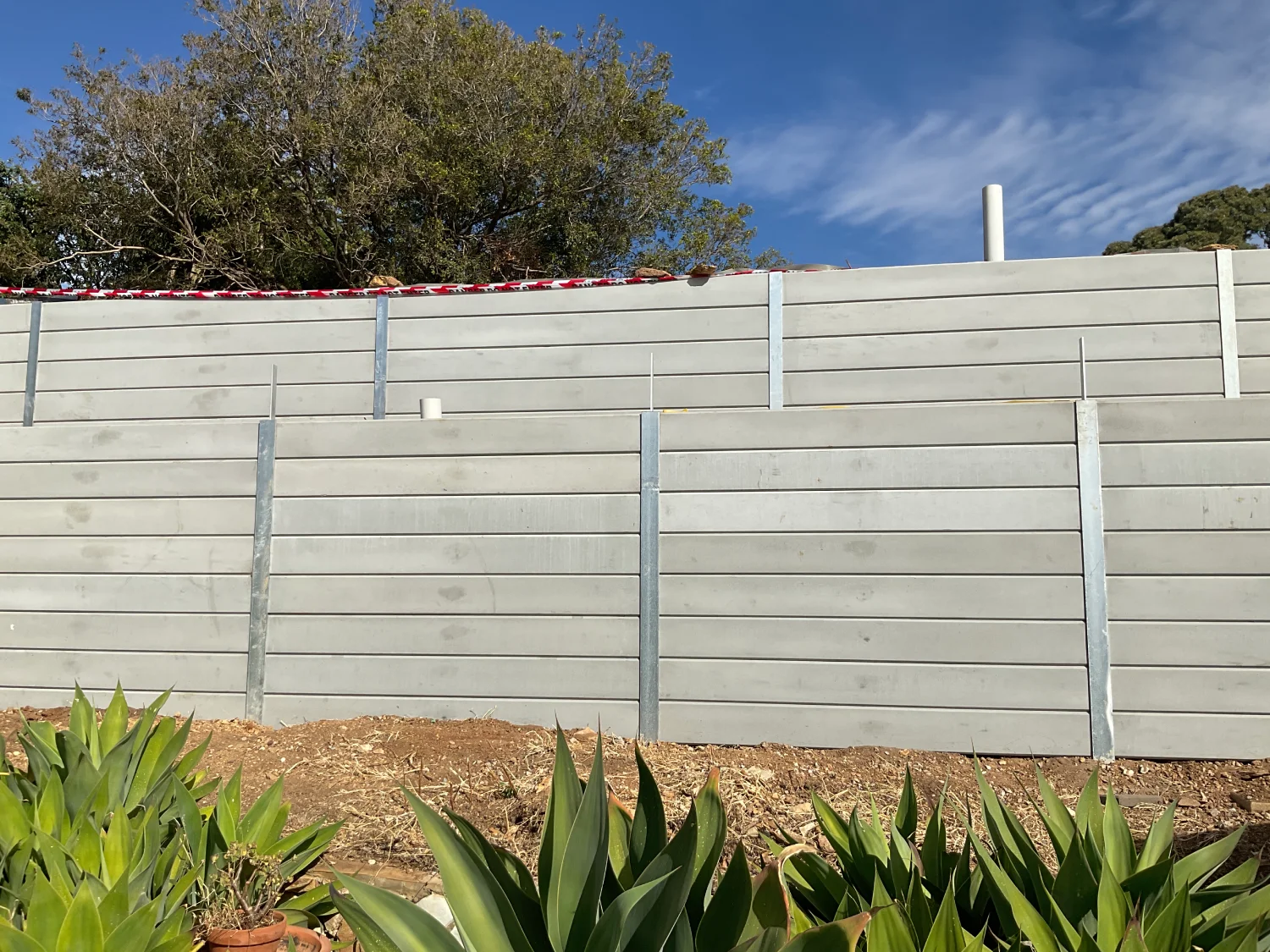
Table of Contents
Retaining walls are critical structural elements in residential and commercial construction across Adelaide. When poorly designed or constructed, they present significant risks, ranging from structural failure and drainage issues to non-compliance with council and certifier requirements.
This article serves as a practical reference for homeowners, builders, and developers, outlining the role of professional retaining wall engineering, common construction challenges, and the technical considerations required to deliver compliant, durable retaining wall solutions in South Australia.
Retaining Walls in Adelaide Construction
Retaining walls are used to manage changes in ground level, stabilise slopes, and create usable building platforms. Adelaide’s diverse terrain, particularly in the Adelaide Hills, foothills, and coastal areas, demands careful engineering to account for variable soil conditions, groundwater, and external loading.
Retaining walls are not purely architectural features. They are structural systems that must resist:
- Lateral earth pressures
- Surcharge loads from buildings, vehicles, and boundary fencing
- Groundwater and hydrostatic pressures
- Long-term soil movement and shrink–swell behaviour
Correct design and construction are essential to ensure safety, serviceability, and regulatory compliance.
Common Retaining Wall Challenges from a Builder’s Perspective
Builders regularly encounter challenges on retaining wall projects, particularly where engineering input is delayed or incomplete.
Typical issues include:
- Unexpected ground conditions, such as reactive clays, uncontrolled fill, or bluerock
- Budget constraints, leading to pressure to under-engineer or alter wall systems
- Tight construction programs, limiting time for proper investigation and detailing
- Regulatory compliance, including council approval thresholds and certification requirements
Early engagement with a retaining wall engineer significantly reduces these risks and avoids costly rectification works.
Soil Mechanics and Site-Specific Design Requirements
Soil behaviour governs retaining wall performance. In Adelaide, common geotechnical challenges include highly reactive clay soils, variable bearing capacity, and localised groundwater conditions.
A retaining wall engineer will:
- Review geotechnical reports and site classification
- Assess soil strength, friction, and drainage characteristics
- Determine appropriate footing sizes, embedment depths, and wall systems
- Design drainage and subsoil systems to relieve hydrostatic pressure
Site investigation and geotechnical input are not optional, they are fundamental to compliant retaining wall design.
Regulatory Framework: NCC and Australian Standards
Retaining walls in South Australia are governed by a combination of the National Construction Code (NCC), Australian Standards, and local council requirements.
Key references include:
- NCC Volume Two (Housing Provisions) – for residential retaining walls within its scope
- AS 4678 – Earth-Retaining Structures – primary design standard for retaining walls
- AS 3700 – Masonry Structures
- AS 3600 – Concrete Structures
- AS 4100 – Steel Structures
Structural engineering documentation is typically required for retaining walls above prescribed heights, walls supporting buildings or driveways, and walls subject to surcharge loads. Local councils in Adelaide may impose additional approval or documentation requirements.
Concrete Sleeper Retaining Walls
Concrete sleeper retaining walls are commonly used in residential and light commercial construction across Adelaide due to their modular design, speed of installation, and cost efficiency. These systems typically consist of precast concrete sleepers installed between steel or concrete posts embedded into the ground.
From an engineering perspective, concrete sleeper walls are structural elements and must be designed to resist lateral earth pressures, surcharge loads, and groundwater effects. Key considerations include post type and embedment depth, sleeper bending capacity, drainage provisions, and soil conditions. Manufacturer “standard details” are not universally applicable and should be verified against site-specific conditions.
Engineering design and certification are generally required where wall heights exceed council thresholds, where surcharge loads are present (such as driveways, buildings, or boundary fencing), or where walls are located close to property boundaries. Designs are typically carried out in accordance with AS 4678 – Earth-Retaining Structures, supported by relevant NCC provisions and local council requirements.
Partnering with a Retaining Wall Engineer in Adelaide: The OB Engineering Approach
OB Engineering Group provides professional retaining wall engineering services across Adelaide and South Australia. Our approach combines technical rigour with practical construction knowledge to deliver designs that are safe, buildable, and compliant.
Local Expertise and Regulatory Understanding
We have extensive experience with:
- Adelaide Hills geology and slope stability issues
- Coastal and reactive soil environments
- Local council approval pathways and certification requirements
Our retaining wall designs are developed with a clear understanding of local conditions, ensuring efficient approvals and long-term structural performance.
FAQs About Retaining Wall Engineering for Builders
When do I need an engineer for a retaining wall in Adelaide?
Generally, walls over 1m high, walls supporting significant loads (e.g., driveways, buildings), or walls on reactive/unstable ground require engineering design and certification in SA. Even smaller walls may need it depending on site specifics and council.
What information does a retaining wall engineer need from me?
Site plans, proposed wall height/location, intended use of the land above and below the wall, and any available geotechnical reports or soil test results are crucial.
How long does a retaining wall engineering design take?
Design time varies based on complexity, site conditions, and current workload. Simple designs might be a few days; complex ones could take weeks. Always consult with the engineer for an estimate.
Can an engineer help with council approval for my retaining wall project?
Yes, engineers provide the certified drawings and documentation required for development and building approvals in Adelaide, simplifying the process for builders.
What’s the difference between a civil engineer and a structural engineer for retaining walls?
Both can design retaining walls. Structural engineers focus on the wall’s internal strength and stability, while civil engineers often consider the broader site context, drainage, and earthworks. OB Engineering offers expertise in both.
How can I ensure the retaining wall design is cost-effective?
A good engineer balances safety and cost. They can explore different design options and material choices to find the most efficient solution without compromising structural integrity or compliance. Early engagement helps optimize costs.
Recent Posts


Get in touch to discuss your project
Reach out today to discuss how we can work together and explore the best solutions tailored to your needs.
Enquire Today