
Back to Blog
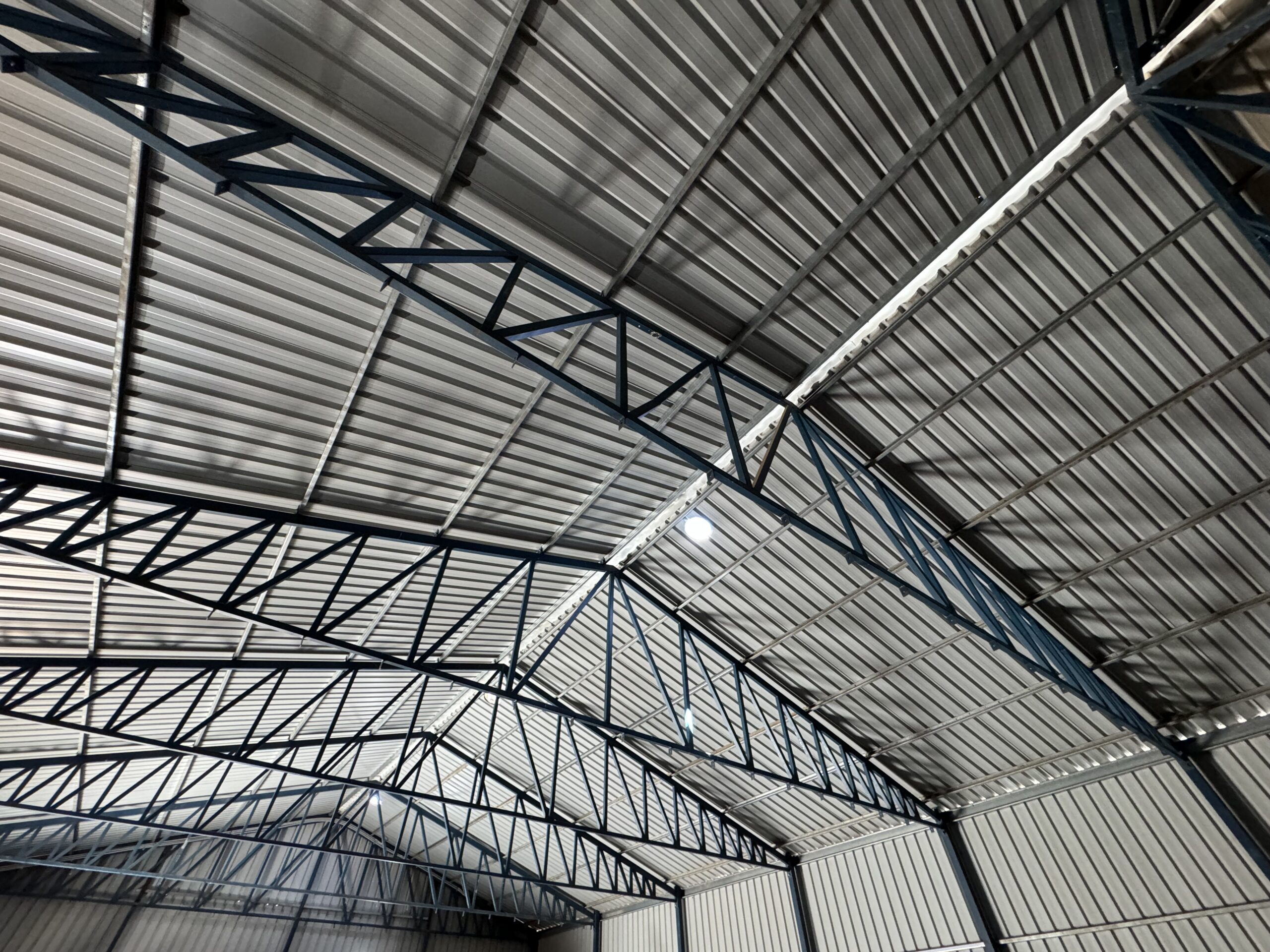
Table of Contents
Designing a new building or infrastructure project in Adelaide? The upfront costs can seem daunting. This blog post explores how smart structural engineering and civil engineering design choices can significantly reduce construction costs, delivering long-term value for your project.
How Can Structural Engineering Reduce Project Costs?
Structural engineering reduces project costs by optimising material use and simplifying construction processes. Clever design decisions from the outset can avoid costly rework and schedule delays. This proactive approach saves money across the entire project lifecycle.
Expert structural engineers consider a range of factors to achieve cost savings. They look at the most efficient structural systems for your specific project, whether it’s a new commercial building or a residential development in South Australia. This involves careful analysis of loads, soil conditions, and available materials to specify the most appropriate and economical solutions. For example, selecting the right foundation type, such as shallow footings instead of deep piles where suitable, can yield substantial savings. Our team focuses on value engineering, ensuring every design element adds maximum value without unnecessary expense.
What is Value Engineering in Structural Design?

Value engineering in structural design is a systematic process to improve the value of a project by analysing its functions. It aims to achieve the required performance at the lowest possible cost without compromising quality or safety. This methodology is crucial for smart construction cost reduction.
During the value engineering process, our engineers will scrutinise every aspect of the structural design. This includes evaluating alternative materials, construction methods, and structural systems. We ask critical questions like:
- Can we use a more readily available or less expensive material that still meets design requirements?
- Can we simplify a connection detail to reduce fabrication and erection time?
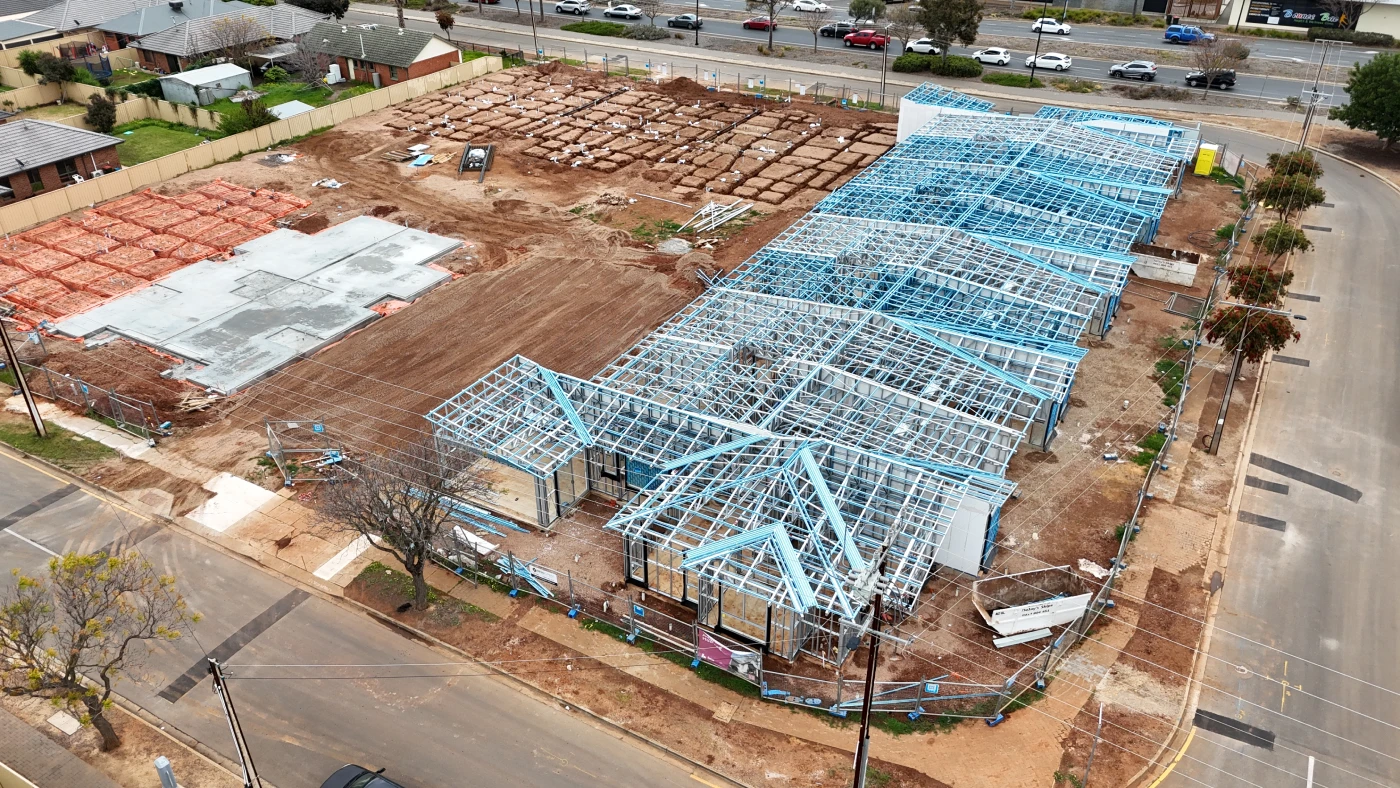
For instance, opting for pre-fabricated components instead of intricate on-site construction can often lead to significant time and cost savings. This approach focuses on engineering optimisation, identifying areas where performance can be maintained or even improved while driving down expenses.
How Does Material Selection Affect Construction Costs?
Material selection profoundly impacts construction costs through both direct purchase price and installation labour. Choosing the right materials early in the civil engineering and structural engineering design phase is a key strategy for cost-efficient design.
Consider the common debate between steel, concrete, and timber. While steel might appear more expensive per tonne, its strength-to-weight ratio allows for smaller sections and longer spans, potentially reducing the total volume of material needed and simplifying foundations. Conversely, a well-designed concrete structure can utilise local aggregates, keeping material costs down, especially for larger commercial construction projects. Timber, particularly engineered timber products, offers sustainable and often faster erection times for certain applications.
Our engineers conduct thorough analyses to determine the optimal material blend for your project, considering not just material cost but also transport, labour, and long-term maintenance implications. This detailed consideration prevents costly material choices that inflate project budgets without adding proportionate value.
Can Modern Construction Techniques Lower Structural Costs?
Yes, modern construction techniques significantly lower structural costs by increasing efficiency, speed, and precision. Embracing innovative methods and technologies leads to substantial savings in labour and time on-site, a cornerstone of sustainable construction.
Techniques like prefabrication and modular construction are excellent examples. Manufacturing structural components off-site in a controlled factory environment reduces waste, improves quality, and shortens the on-site construction timeline. This also mitigates risks associated with weather delays. Digital tools, such as Building Information Modelling (BIM), allow for precise modelling and clash detection before construction begins, preventing expensive errors and rework.
For instance, using BIM for a complex multistory development allows all trades to coordinate their designs digitally, ensuring that structural elements don’t conflict with plumbing or electrical systems. This foresight is invaluable for project feasibility and ensuring a smooth, cost-effective build.
How Does Early Expert Involvement Impact Project Budget?
Early expert involvement from structural engineering consultants significantly impacts the project budget by identifying cost-saving opportunities from the initial concept stages. Engaging engineers early prevents costly redesigns and ensures a robust, cost-effective plan.
Consulting with OB Engineering at the project’s inception allows us to influence key decisions that affect the entire project budget. We can perform initial structural assessments and feasibility studies, helping to shape the project scope in a cost-efficient manner. For instance, we might suggest alternative site layouts or structural systems based on soil conditions and access, which can save hundreds of thousands in excavation and foundation work down the line. Our early input ensures that the structural design aligns perfectly with your budget and project goals, avoiding expensive surprises later on. This proactive approach is fundamental to achieving construction cost reduction efficiently.
Conclusion
Smart structural engineering is not just about safety and stability; it’s a powerful tool for construction cost reduction. By employing value engineering, intelligent material selection, and modern construction techniques from inception, projects in Adelaide can achieve significant savings. OB Engineering is committed to delivering cost-efficient design and maximising value for our clients.
FAQs
What is the biggest cost driver in a structural project?
Labour and material costs are typically the biggest cost drivers. Efficient design and smart material choices can significantly reduce these.
Can sustainable design options also be cost-effective?
Absolutely. Many sustainable construction practices, such as optimising material use or using local resources, directly contribute to cost-efficient design.
How early should I involve a structural engineer in my project?
Engage a structural engineer as early as possible, ideally during the initial feasibility studies. Early involvement identifies cost-saving opportunities and avoids expensive revisions later.
Recent Posts


Get in touch to discuss your project
Reach out today to discuss how we can work together and explore the best solutions tailored to your needs.
Enquire Today