
Back to Blog
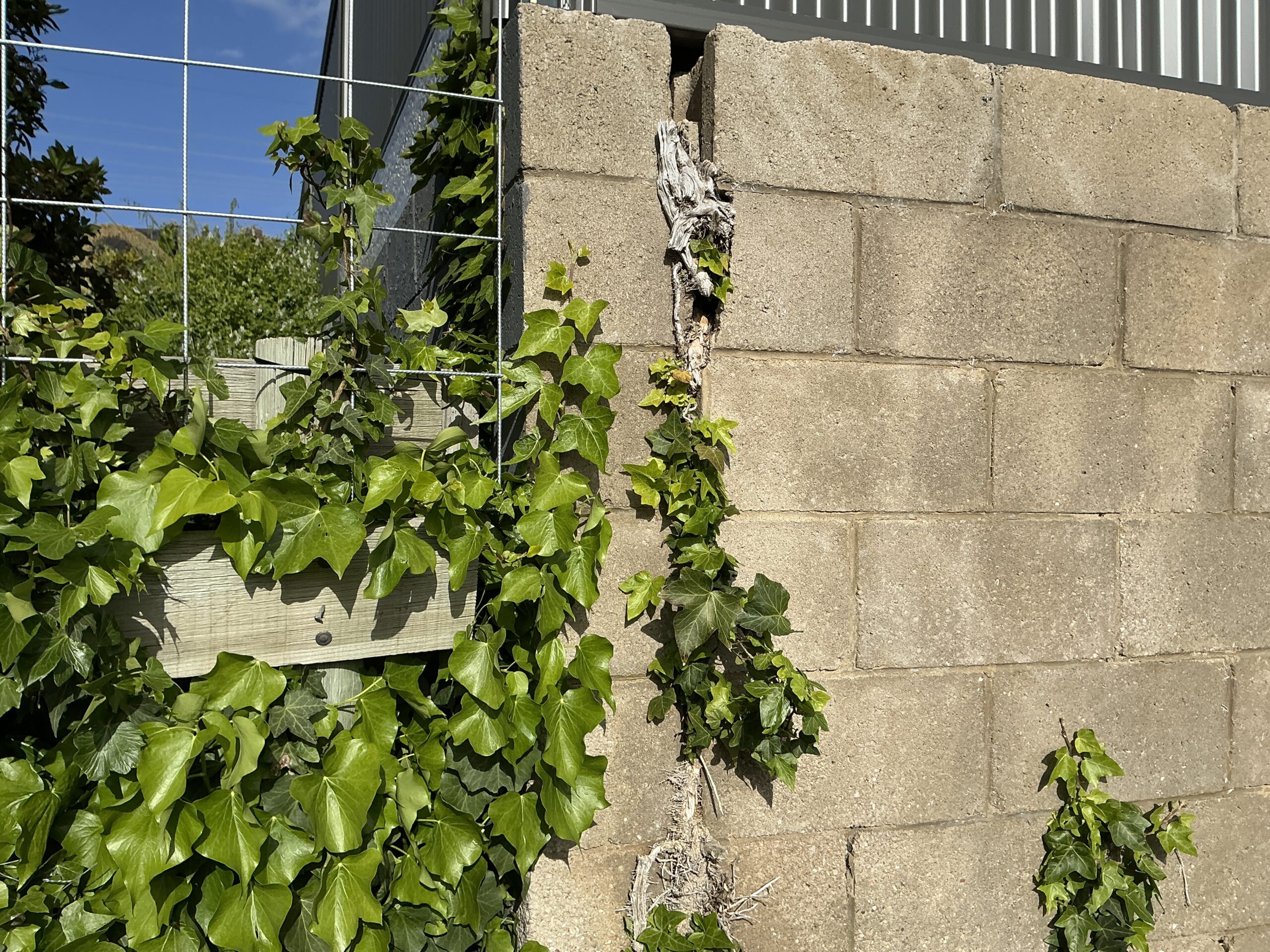
Uncontrolled vegetation growth can pose a significant threat to the safety and longevity of buildings and infrastructure. This blog post explores how plants, if left unchecked, can compromise structural integrity, leading to costly repairs and potential hazards. Understanding these risks is crucial for property owners in Adelaide and across South Australia.
What is the Direct Impact of Tree Roots on Foundations?
Tree roots can exert immense pressure on building foundations. As roots grow and expand, they seek moisture and nutrients, often pushing against and even penetrating concrete, brickwork, and drainage systems. This pressure can cause foundational cracks, heave, or even significant destabilisation over time, compromising structural integrity.
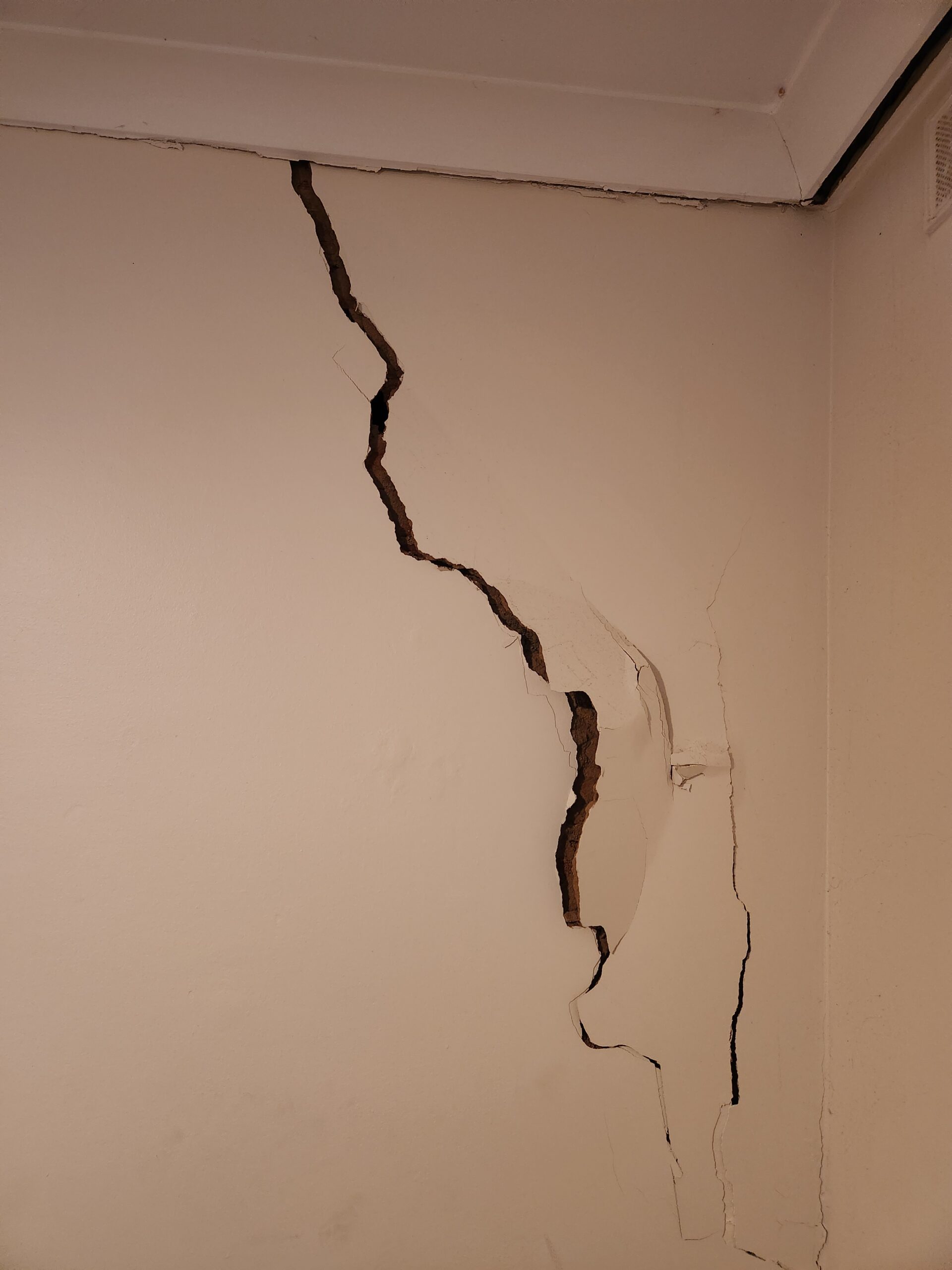
When roots grow directly beneath a foundation, they can lift sections of the structure. Conversely, if roots extract excessive moisture from the soil directly under a foundation, the soil can shrink, leading to subsidence and differential settlement. Both scenarios place undue stress on the building’s frame, resulting in visible cracks in walls, uneven floors, and sticking doors and windows. Timely removal of problem trees or the installation of root barriers can mitigate these risks.
How Does Vegetation Affect Drainage Systems and Soil Stability?
Dense vegetation can severely impede drainage systems, leading to water accumulation and soil erosion. Roots can infiltrate and block pipes, while thick foliage can prevent proper surface water runoff. These issues significantly impact structural integrity.
- Blocked Drains: Roots commonly invade stormwater and sewer pipes, seeking water. This can cause blockages, leading to overflows, water saturation around foundations, and potential damage to underground services. Saturated soil loses its bearing capacity, weakening the support for structures.
- Soil Erosion: On sloped sites, uncontrolled vegetation can contribute to soil erosion if the wrong types of plants are present or if existing plants are poorly maintained. Heavy rainfall can wash away loose soil, undermining footings and leading to instability. Conversely, mature trees can also prevent erosion. It is the uncontrolled or inappropriate vegetation that causes issues.
- Moisture Imbalance: Large trees close to structures can create zones of extreme soil moisture variation. During dry periods, they draw significant amounts of water, causing soil shrinkage. During wet periods, if drainage is poor, the soil can become overly saturated and swell. These alternating conditions put immense stress on foundations over time.
Can Vines and Climbing Plants Damage Walls and Roofs?
Yes, vines and other climbing plants can cause considerable damage to external building fabric, leading to issues with structural integrity. While they may appear charming, their tendrils and roots can exploit existing cracks and crevices.
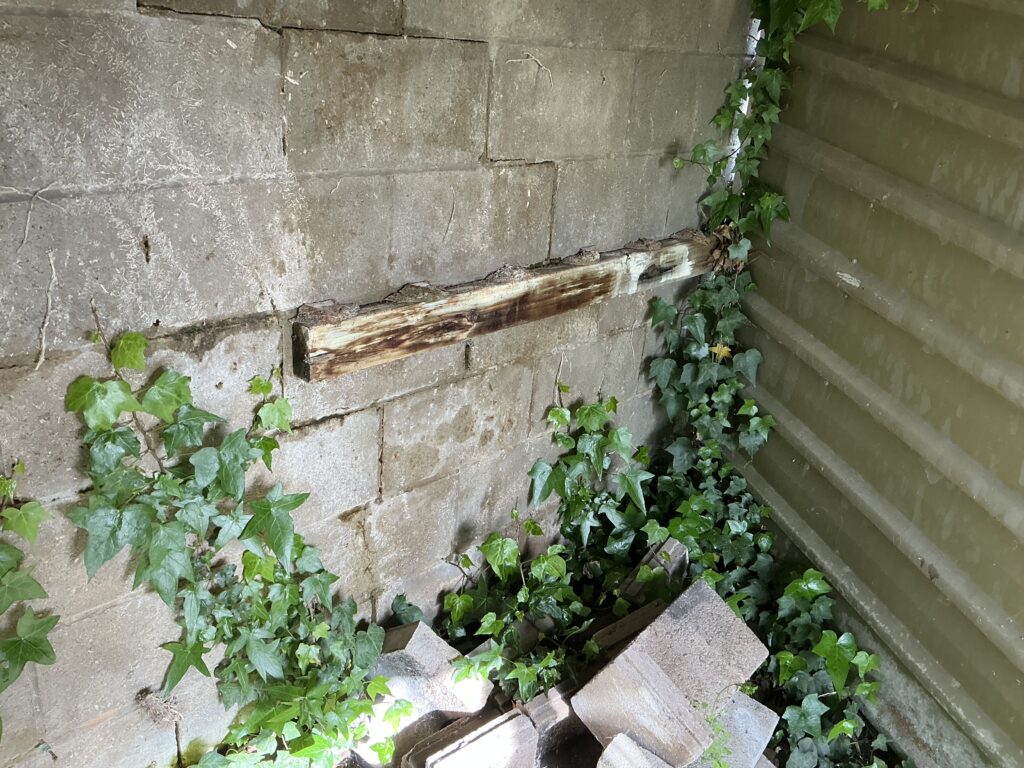
- Direct Penetration: As climbing plants grow, their fine roots and adhesive pads can work their way into mortar joints, small cracks, and gaps in cladding. Over time, these plants widen these openings, allowing moisture to penetrate the building envelope.
- Moisture Retention: Dense foliage against a wall traps moisture against the surface. This creates a perpetually damp environment that can lead to rot in timber elements, deterioration of masonry, and delamination of finishes. This sustained dampness can also promote mould and mildew growth within the wall cavity.
- Physical Stress: The sheer weight of mature vines can put significant stress on gutters, downpipes, and even roof structures. If vines are allowed to grow into roof tiles or flashing, they can lift them, creating entry points for water ingress. Regular inspection and trimming are crucial to prevent these problems.
What Role Does Regular Maintenance Play in Protecting Your Structure?
Regular and proactive maintenance of your garden and property surroundings is paramount for protecting structural integrity. Early intervention can prevent minor issues from becoming major, expensive problems.
- Tree Management: Regular pruning of trees helps manage their size and root systems. If a tree is too close to a structure, professional advice should be sought regarding root barriers or relocation. Strategic planting of appropriate species at suitable distances is also key.
- Drainage Clearance: Keep gutters, downpipes, and stormwater drains clear of leaves and debris. This ensures efficient water runoff and prevents overflow that can saturate the ground around foundations.
- Vines and Climbers: If you have climbing plants, ensure they are regularly trimmed and directed away from the building’s structure. Use appropriate trellises or supports that do not directly attach to the building’s facade.
- Ground Cover: Maintain appropriate ground cover to prevent soil erosion, but avoid thick, moisture-retaining vegetation directly against foundations. Ensuring garden beds are slightly sloped away from the house will also aid drainage.
Addressing uncontrolled vegetation growth proactively can save property owners in Adelaide from significant repair costs down the track. Protecting your structural integrity starts in your garden.
FAQs
Q: How often should I inspect my property for vegetation-related damage?
A: It is wise to perform a thorough visual inspection at least once a year, preferably after heavy rain or strong winds, and proactively address any concerns.
Q: Can I remove a large tree close to my house myself?
A: Removing large trees, especially those near structures or power lines, is dangerous and should always be done by a qualified arborist.
Q: What are the signs that tree roots might be damaging my foundation?
A: Look for cracks in walls (especially vertical or diagonal), uneven floors, doors and windows that stick, and visible roots growing near or under the foundation.
Recent Posts

Get in touch to discuss your project
Reach out today to discuss how we can work together and explore the best solutions tailored to your needs.
Enquire Today