
Back to Blog
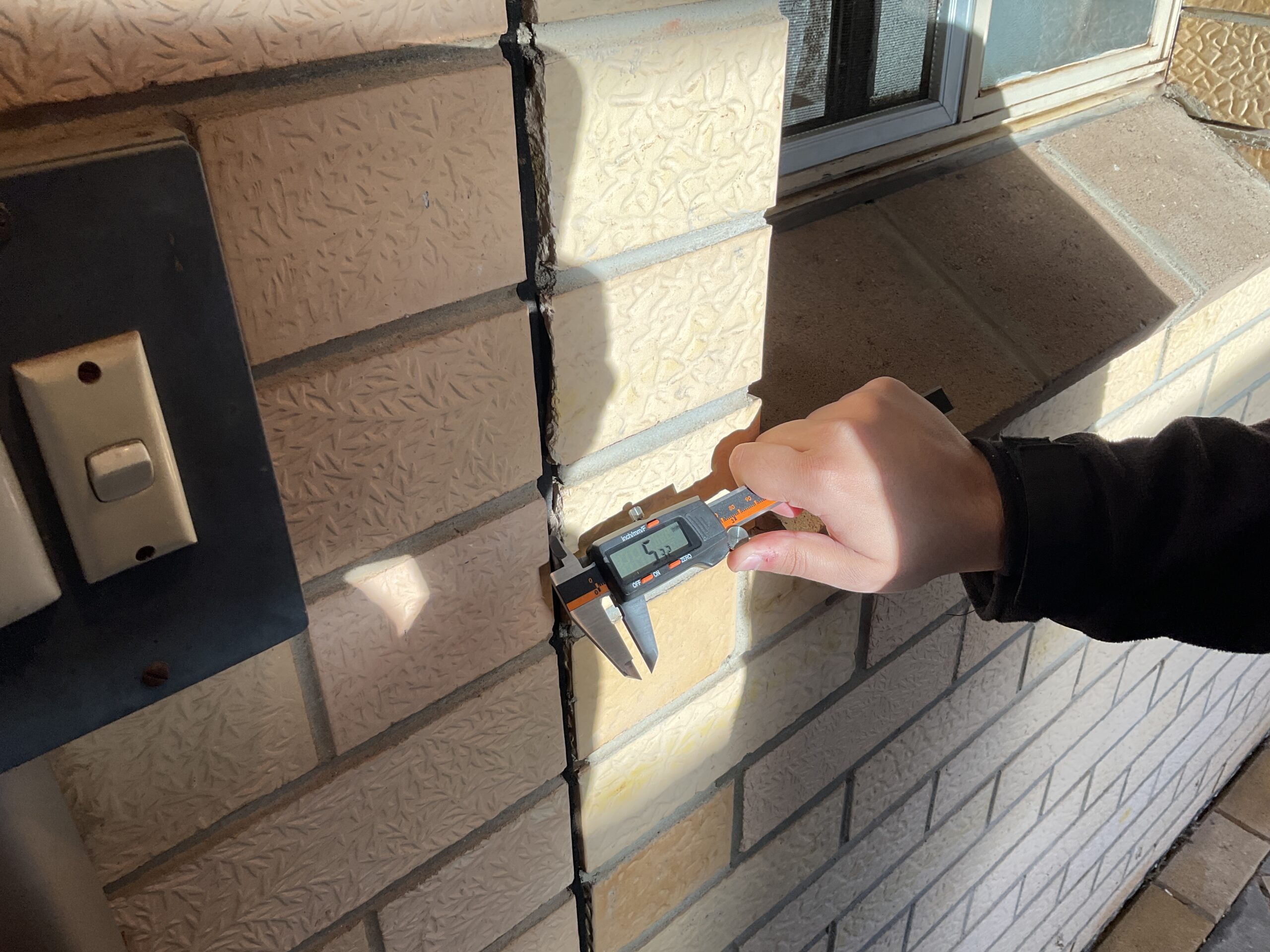
Table of Contents
When buildings or structures fail, or show signs of distress, understanding why is crucial. This is where Forensic Structural Engineering comes in, unravelling the mysteries behind structural problems to find solutions and prevent future issues.
What is Forensic Structural Engineering?
Forensic structural engineering focuses on investigating structural damage, defects, or failures to determine their cause. It plays an important role in improving safety, supporting accountability, and reducing the risk of similar issues occurring in the future. By identifying contributing factors and underlying causes, forensic structural engineering supports informed repair strategies and risk management decisions. This approach addresses the root of the problem rather than treating visible symptoms alone.
At OB Engineering, this specialised knowledge is applied to investigate structural damage across a range of scales. Engineering assessment focuses on identifying contributing factors based on observed conditions and forensic inspection.
Why is Forensic Structural Engineering Important?
Understanding the cause of a structural issue is a critical step in resolving it effectively. Addressing visible damage alone does not prevent recurrence if the underlying cause is not identified.
Structural issues may result from design assumptions, construction practices, material performance, or environmental influences. Careful investigation helps distinguish between symptoms and contributing factors, reducing the risk of repeat damage and remedial work.
Forensic structural engineering may also involve consideration of whether structural performance requirements referenced by the National Construction Code (NCC) have been appropriately addressed in relation to the observed condition.
What Does a Forensic Structural Engineer Do?
A forensic structural engineer investigates structural damage or performance concerns and assesses factors that may have contributed to the observed condition. This work typically involves reviewing physical evidence, available documentation, and site conditions to develop an informed technical understanding.
At OB Engineering, our process typically involves several key steps:
- Initial Site Inspection: We conduct a thorough visual inspection of the affected structure. We look for obvious signs of damage, deformation, and distress. This initial visit helps us understand the scope of the problem.
- Data Collection and Analysis: We gather all available documentation. This includes architectural and structural drawings, construction specifications, material reports, and maintenance records. We also consider environmental data like weather patterns and seismic activity.
- Advanced Testing and Modelling: Sometimes, further investigation is needed. This can involve:
- Material Testing: Taking samples of concrete, steel, or timber for lab analysis to check their properties and strength.
- Non-Destructive Testing (NDT): Using techniques like ground-penetrating radar or ultrasonic testing to assess internal elements without causing damage.
- Structural Analysis: Employing advanced software to model the structure’s behaviour under various loads and conditions to simulate failure scenarios.
- Cause and Origin Determination: Based on all the evidence, we formulate a hypothesis about the cause of the structural issue. This could be due to:
- Design Errors: Mistakes in the initial engineering calculations or specifications.
- Construction Defects: Poor workmanship, incorrect material usage, or deviations from plans during construction.
- Material Failures: Substandard or deteriorated materials.
- Environmental Factors: Earthquakes, floods, high winds, or even prolonged exposure to moisture.
- Maintenance Issues: Lack of proper upkeep leading to degradation.
- Reporting and Recommendations: We prepare comprehensive reports detailing our findings, the identified cause, and recommended remedial actions. These reports are often used in legal proceedings or insurance claims. They are clear, concise, and backed by robust engineering principles.
Who Needs Forensic Structural Engineering Services?
Forensic structural engineering services may be relevant to a range of stakeholders dealing with structural concerns on buildings or infrastructure. This includes property owners, developers, builders, insurers, and legal professionals seeking technical assessment of observed structural conditions.
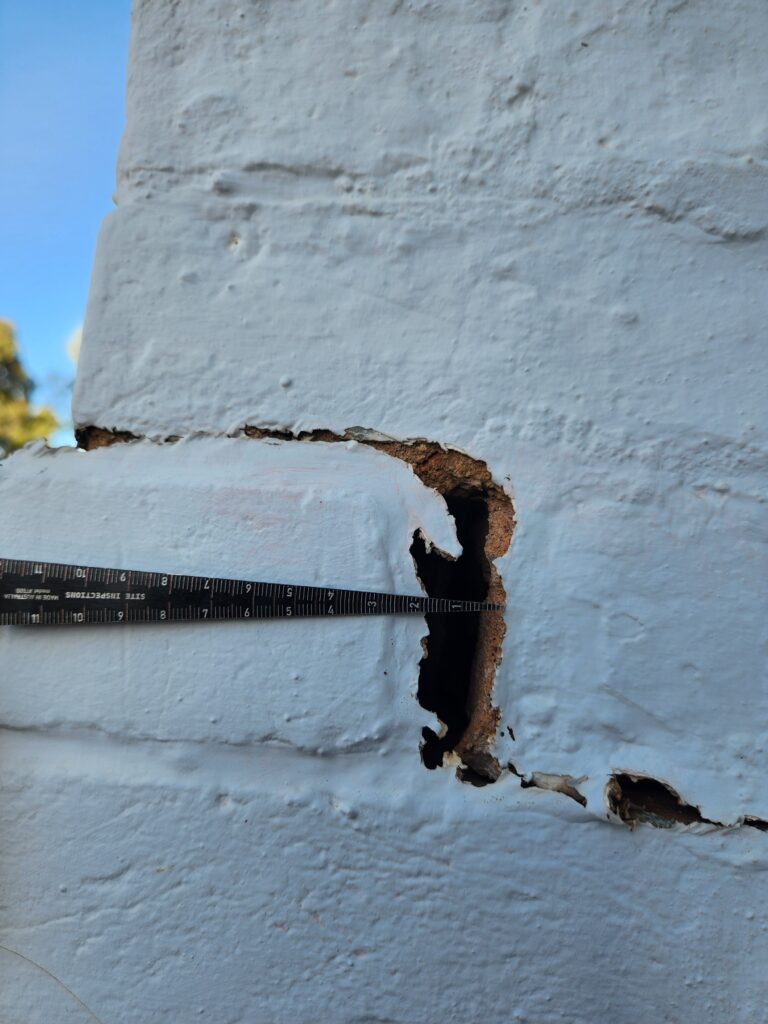
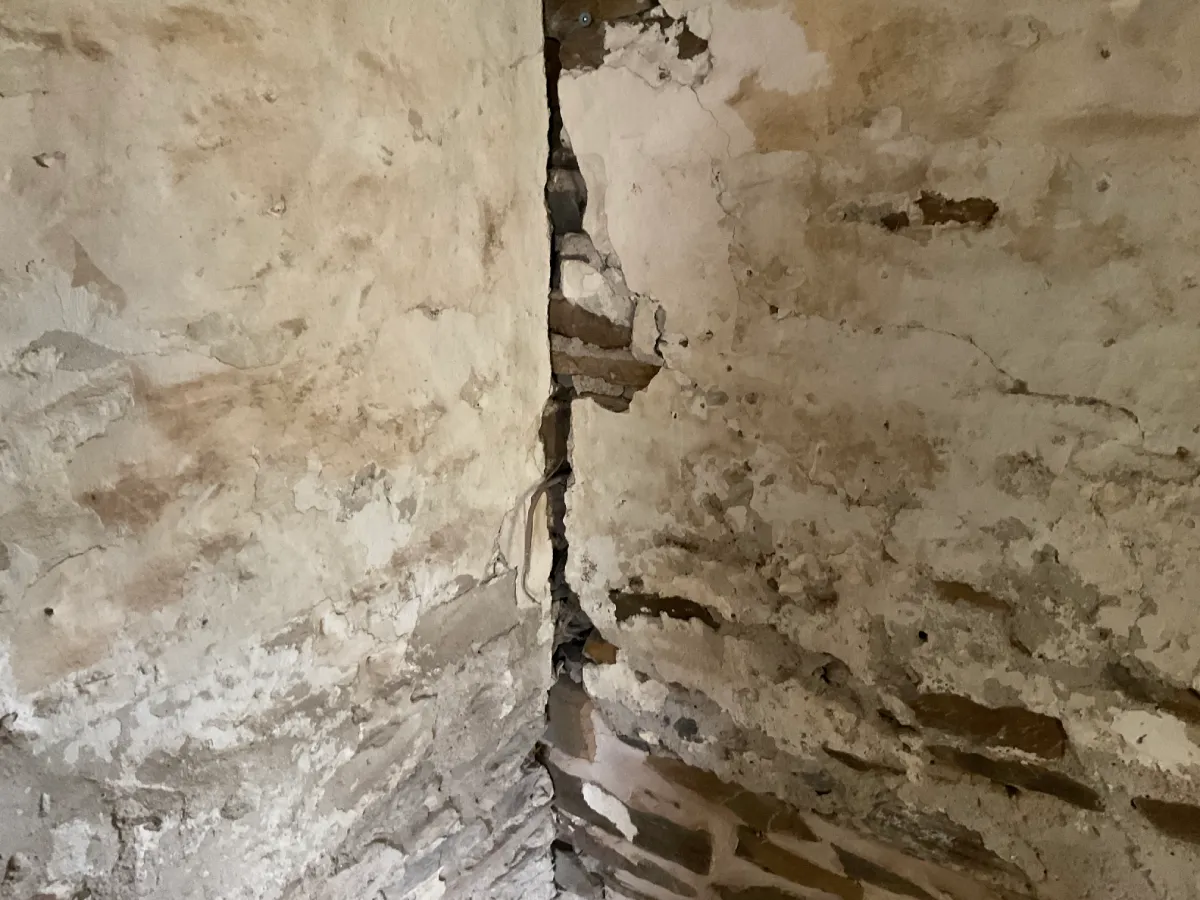
Indicators such as cracking, foundation movement, water ingress associated with structural movement, or other unexpected structural behaviour may warrant further investigation. Seeking engineering input at an early stage can assist in understanding the nature of the issue and available options for assessment or remediation. OB Engineering provides forensic structural engineering services to clients across Adelaide and regional South Australia.
OB Engineering Forensic Structural Design
Conclusion
Understanding the basics of Forensic Structural Engineering reveals its critical role in identifying the causes of structural failures. It provides clear answers and pathways to effective solutions. OB Engineering is here to offer expert Forensic Structural Engineering services when you need to get to the bottom of structural challenges.
FAQs
What are common signs I need a Forensic Structural Engineer?
Look for unexpected cracks, uneven floors, doors and windows sticking, visible structural sagging, or unexplained water leaks.
Can forensic engineers testify in court?
Yes, Forensic Structural Engineers often provide expert witness testimony in legal cases involving structural failures or disputes.
How long does a forensic investigation take?
The duration varies greatly depending on the complexity of the issue, from an hour or two for minor problems to several hours for major structural failures.
Recent Posts

Get in touch to discuss your project
Reach out today to discuss how we can work together and explore the best solutions tailored to your needs.
Enquire Today