
Back to Blog
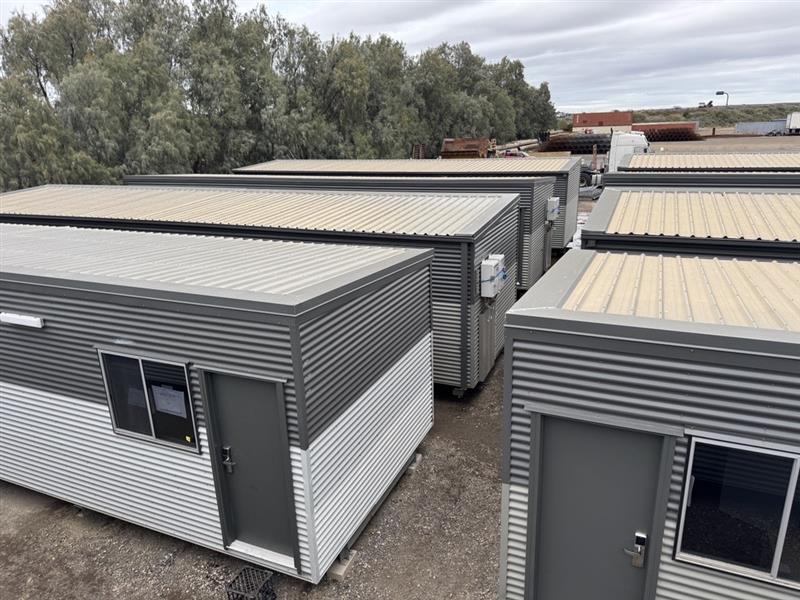
Table of Contents
Granny flats and Accessory Dwelling Units (ADUs) are becoming increasingly popular in Adelaide. This blog post explores the vital role of structural engineering in their safe and compliant construction. Understanding this is crucial for homeowners considering these valuable additions.
What is a Granny Flat or ADU?
A granny flat, also referred to as an ancillary dwelling or accessory dwelling unit, is a self-contained secondary residence located on the same allotment as a primary dwelling. These structures are commonly used to provide additional living space, accommodate family members, or generate rental income, while making efficient use of existing land.
In South Australia, granny flats are subject to planning and building requirements that govern matters such as size, layout, and amenity. They are typically required to include independent kitchen, bathroom, and living facilities and are often designed to complement the primary dwelling and overall site layout.
Why is Structural Engineering Essential for Granny Flats and ADUs?
Structural engineering is essential to ensure a granny flat or ADU can safely support anticipated loads and site conditions. This includes permanent loads, live loads, wind actions, and other environmental influences relevant to the location.
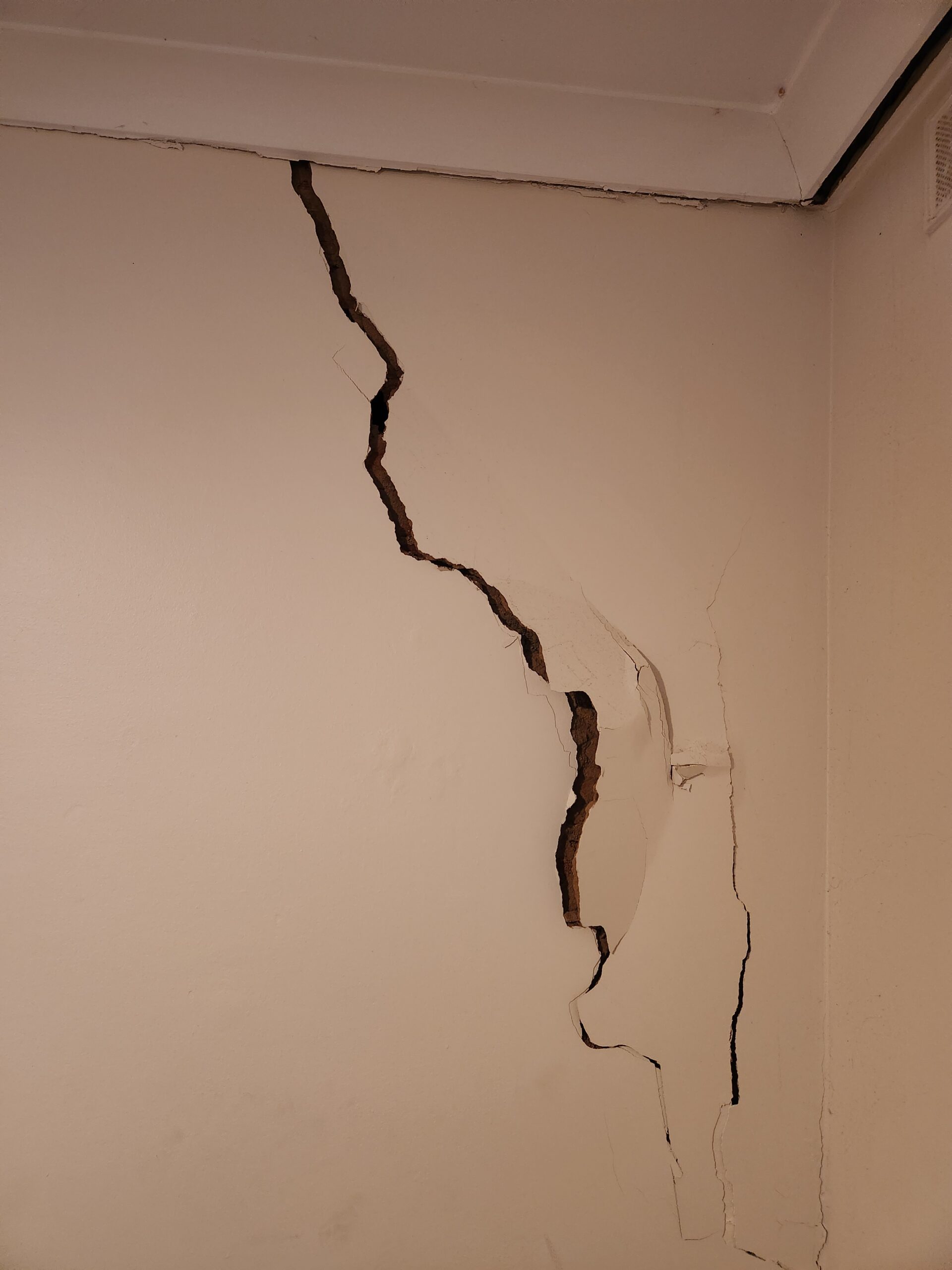
Proper structural design supports stability and long-term performance. Without appropriate engineering input, issues such as excessive movement, cracking, or poor load transfer may occur. Early engagement of structural engineering services helps integrate structural requirements into the design and supports compliance with applicable standards.
Our engineering services ensure your ADU meets all relevant building codes. This protects your investment and provides peace of mind.
Key Aspects of Structural Engineering for ADUs:
Structural engineering for granny flats and ADUs involves several key considerations that influence safety, performance, and coordination with the existing dwelling.
Foundation design
Foundations are designed to support the structure based on site-specific factors such as soil conditions and footing layout. Appropriate foundation design helps manage settlement and supports consistent load transfer to the ground.
Structural framing
Walls, beams, columns, and floor systems are designed to safely carry roof and floor loads. Member sizes and layouts are selected to suit the building form and intended use.
Roof structure
Roof framing is designed to support permanent loads, imposed loads, and environmental actions such as wind. The roof system also plays a role in overall structural stability.
Lateral stability
Granny flats must resist horizontal forces, including wind actions relevant to South Australian conditions. Structural systems are designed to control movement and maintain overall stability.
Material selection
Materials are selected based on structural performance, durability, and suitability for the project. Consideration is given to how materials interact with the rest of the structure and the site environment.
Compliance with the NCC
Structural design is undertaken with consideration of the performance requirements set out in the National Construction Code. Structural systems, materials, and load assumptions are selected to align with the Australian Standards referenced by the NCC.
How Do Structural Engineers Work on ADU Projects?
Structural engineering input for granny flats and ADUs typically follows a structured process to support coordinated design and clear documentation.
1. Initial consultation and site review
- Review of proposed layouts and project objectives
- Consideration of site conditions such as soil classification, levels, and proximity to the existing dwelling
- Identification of structural constraints that may influence the design
2. Structural analysis and design
- Assessment of anticipated loads in accordance with applicable standards
- Design of structural elements including footings, framing, and roof systems
- Selection of structural systems suited to the site and building form
3. Documentation and drawings
- Preparation of structural drawings and specifications
- Clear detailing of structural members, connections, and load paths
- Documentation suitable for coordination with designers, builders, and approval authorities
4. Construction-phase involvement where required
- Engineering input to address design-related queries during construction
- Review of proposed variations where they affect the structural design
- Site inspections may be undertaken where included within the agreed scope of services
What Are the Benefits of Engaging Structural Engineering Services?
Engaging structural engineering services for a granny flat or ADU supports informed decision-making throughout the design and construction process. Appropriate engineering input helps ensure the structure is designed to perform as intended under anticipated loads and site conditions.
Clear structural documentation supports coordination between designers, builders, and approval authorities, reducing uncertainty during construction. Engineering-led design can also assist with efficient use of materials and early identification of structural constraints, supporting smoother project delivery and long-term performance.
Conclusion
Structural engineering plays an important role in the successful delivery of granny flats and ADUs. From early design through to documentation, appropriate engineering input supports safe structural performance, regulatory alignment, and efficient construction.
By engaging structural engineering services early, project requirements can be identified and addressed as part of the design process. This helps reduce uncertainty, supports compliance with applicable standards, and contributes to a well-coordinated outcome that performs as intended over the life of the structure. Partnering with experienced structural engineers from OB Engineering is a wise investment for your project.
FAQs
Do I always need a structural engineer for a granny flat?
The specific requirements depend on the scope of works, site conditions, and approval pathway. Engaging a structural engineer early helps clarify what level of engineering input is required for a particular project.
How much do structural engineering services cost for a Granny Flat?
The cost of structural engineering services varies depending on factors such as the size of the granny flat, structural complexity, site conditions, and the level of documentation required. Each project is assessed individually based on its specific requirements.
Can OB Engineering help with council approvals in Adelaide?
OB Engineering provides structural design documentation prepared to support building approval and certification processes. These documents are commonly required as part of council or private certification submissions.
Recent Posts

Get in touch to discuss your project
Reach out today to discuss how we can work together and explore the best solutions tailored to your needs.
Enquire Today