
Back to Blog
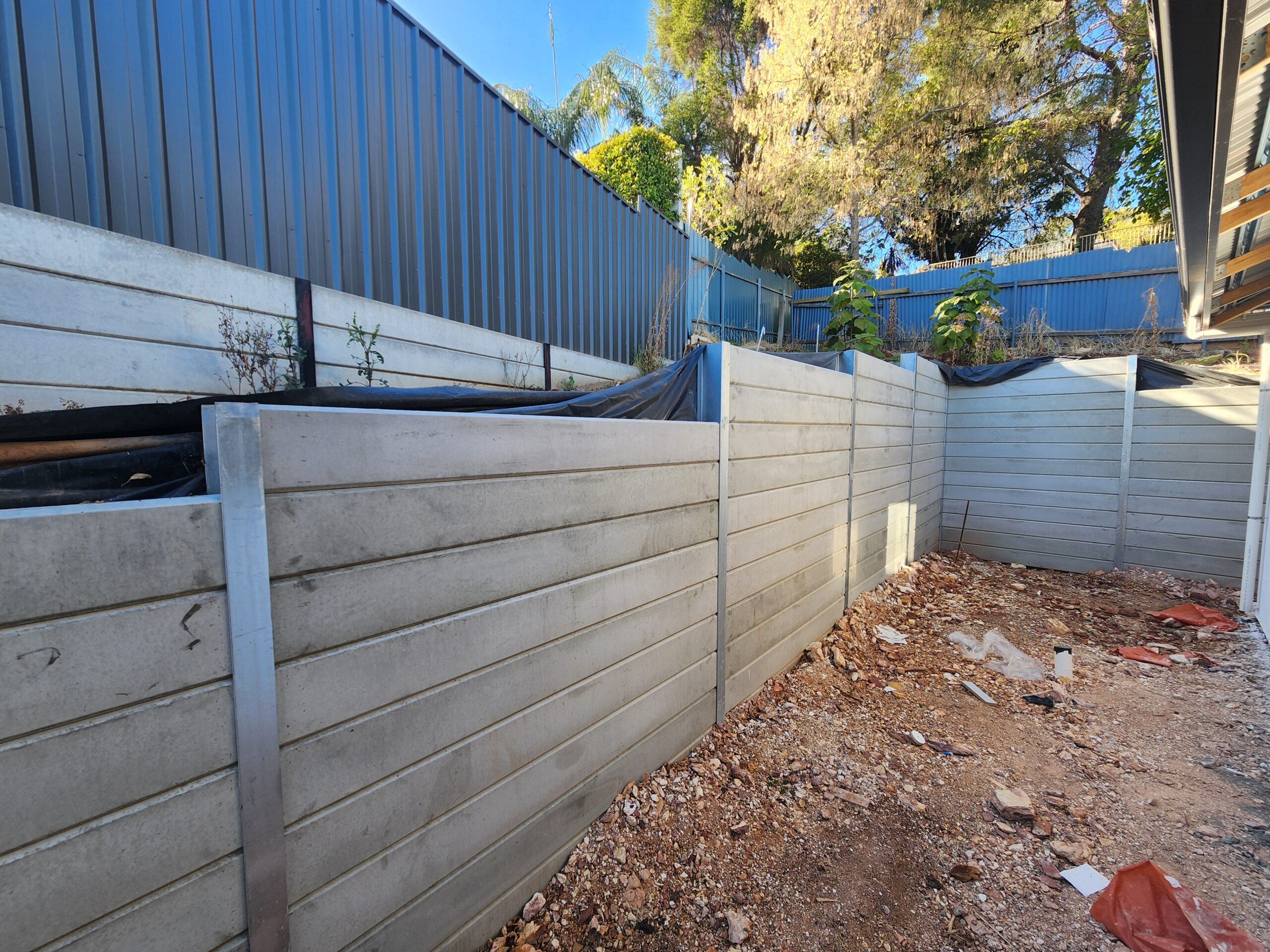
Table of Contents
Retaining walls play a critical role in supporting soil, protecting structures, and managing changes in ground elevation. Whether you’re building a new retaining wall for a residential development or addressing a failing wall that is causing safety concerns, the expertise of a qualified structural engineer is essential. Proper design and investigation ensure not only compliance with engineering standards but also long-term stability and performance.
Understanding the Purpose of Retaining Walls
Retaining walls serve several functions across construction and landscaping projects. They hold back soil, prevent erosion, create level building platforms, and protect structures from downward ground pressure. When designed correctly, they withstand high lateral forces and environmental impacts. When designed poorly, they can deform, crack or collapse without warning.
A structural engineer ensures that a retaining wall is built to withstand site-specific conditions, including soil behaviour, groundwater conditions, surcharge loads, and long-term environmental stressors.
Designing New Retaining Walls: More Than Just Concrete and Footings
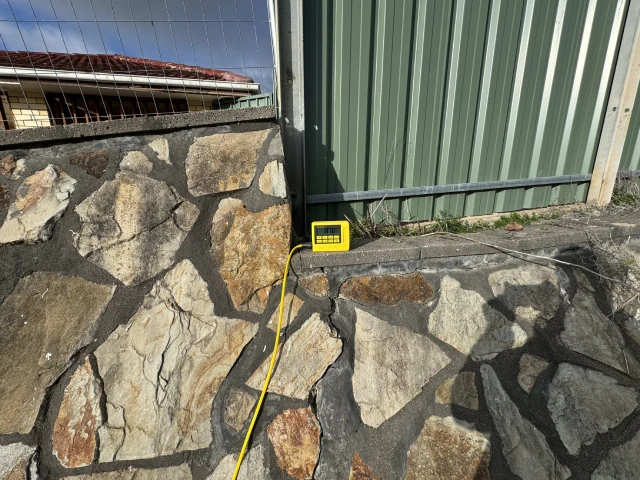
A retaining wall’s strength is determined long before construction begins. The design process requires engineering analysis and detailed site inspection.
Site Assessment and Soil Conditions
The first step is understanding what the wall is expected to resist. Engineers work closely with geotechnical data to evaluate:
- Soil type and density
- Groundwater levels
- Depth to rock
- Potential for settlement or slippage
- Surcharge loads such as nearby driveways or buildings
This information influences the retaining wall post geometry, reinforcement requirements and foundation depth.
Drainage: The Hidden Factor Behind Most Wall Failures
One of the most important considerations in retaining wall design is managing stormwater. Without proper drainage, hydrostatic pressure builds up behind the wall, dramatically increasing load and leading to bowing, rotation or collapse of the retaining wall.
Engineers incorporate drainage elements such as:
- Ag-pipe drains (perforated pipes)
- Scoria or free-draining aggregates
- Geotextile membranes
- Weepholes for pressure relief
These systems allow water to escape, protecting the wall’s long-term stability.
Material Selection and Structural Detailing
Depending on the project, engineers may recommend:
- Reinforced concrete walls
- Concrete sleeper retaining walls
- Block retaining systems
- Gravity walls
- Cantilever or counterfort walls
- Shotcrete and anchored systems for steep sites
Each option requires specific calculations around reinforcement, overturning resistance, sliding resistance and bearing capacity.
When Retaining Walls Fail: Warning Signs and Common Causes
Even well-built retaining walls can deteriorate if conditions change or if maintenance is neglected. Investigating a failing retaining wall requires a systematic engineering approach.
Common Signs of Distress
Property owners or builders should look for:
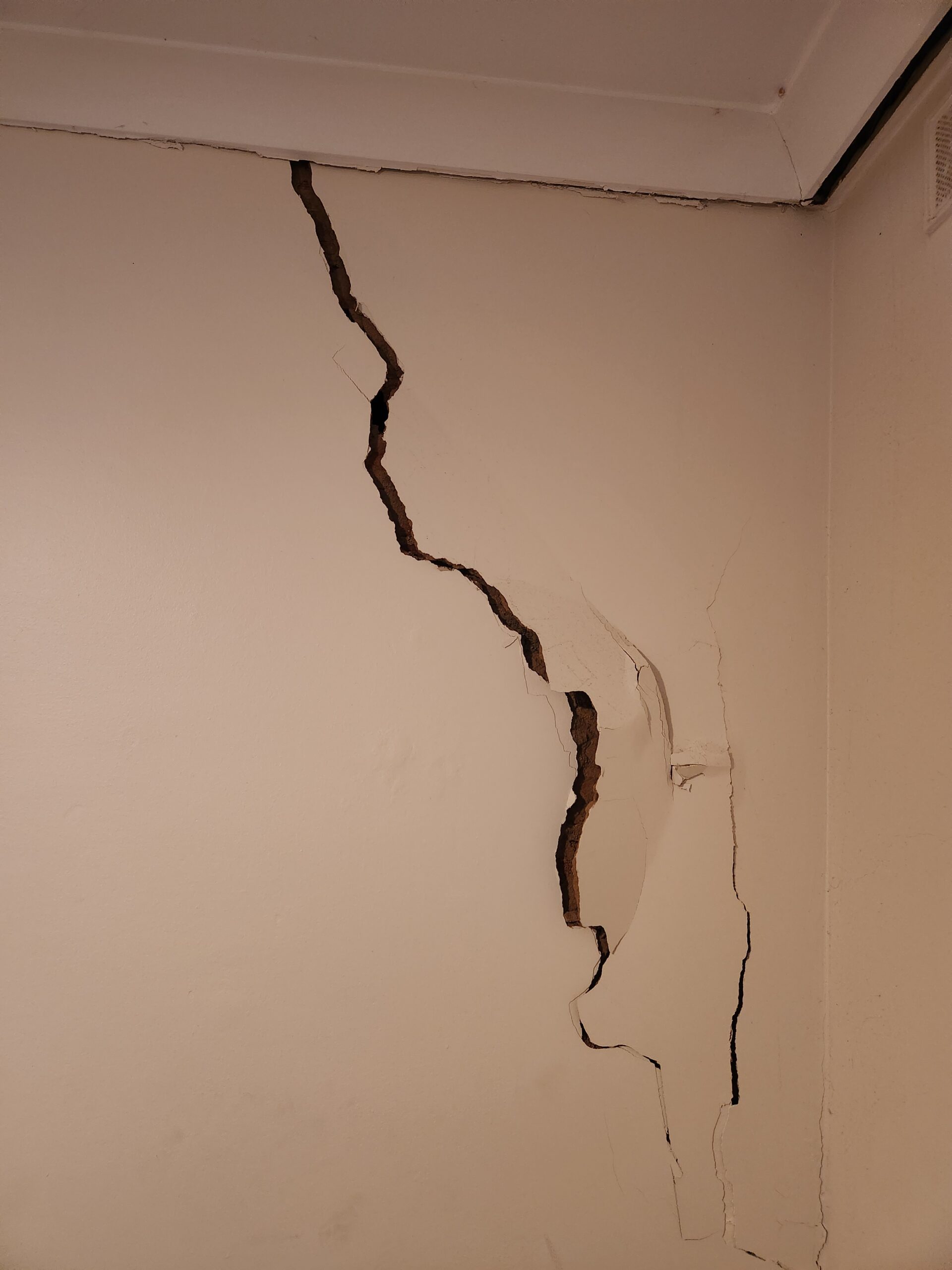
- Horizontal or vertical cracking
- Tilting or leaning
- Bulging in the middle of the wall
- Soil washing out from behind
- Rotting or failing timber sleepers
- Water seepage or pooling
These symptoms often indicate structural instability.
Typical Causes of Retaining Wall Failure
A structural engineer examines several potential failure mechanisms, such as:
- Insufficient drainage
- Poor construction practices
- Inadequate footing depth
- Reactive or saturated soils
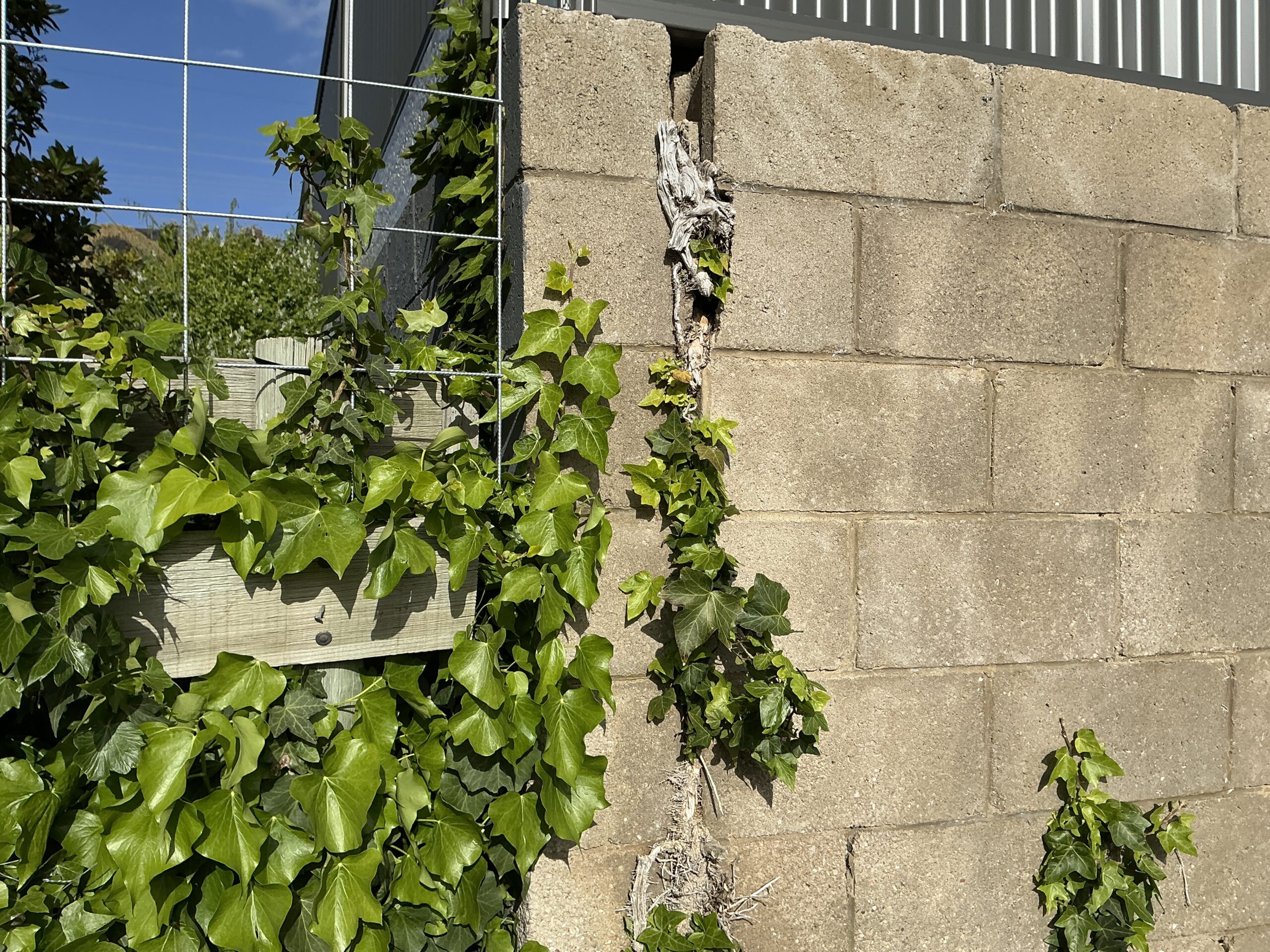
- Tree roots exerting lateral pressure
- Overloaded backfill or nearby construction
- Retaining walls built without engineering design
Understanding the root cause is essential for determining the best repair strategy.
How Structural Engineers Investigate Failing Retaining Walls
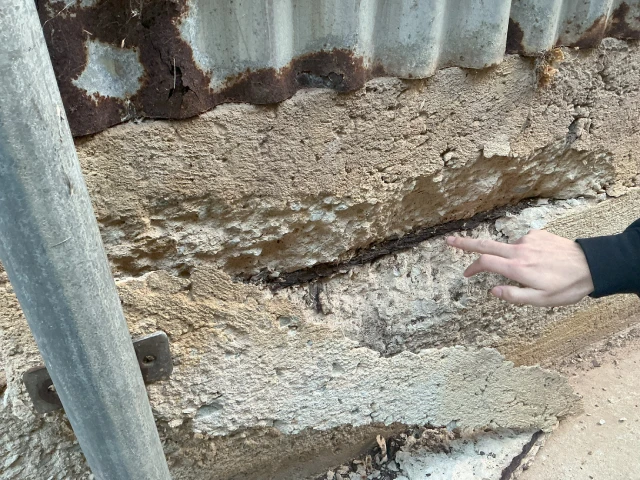
A structured investigation helps uncover why the wall is failing and what options exist for remediation.
Inspection and Documentation
Engineers assess the site conditions, wall geometry, rotation patterns, drainage performance and surrounding loads.
Structural and Geotechnical Analysis
This may involve:
- Stability modelling
- Testing of soil conditions
- Assessing reinforcement corrosion
- Identifying water pressure issues
- Measuring wall movement
Reporting and Recommendations
A detailed engineering report outlines:
- The cause of failure
- The severity of the structural issues
- Safety risks
- Recommended repair or reconstruction options
- Urgency of required works
This document is valuable for property owners, builders, insurance providers and compliance authorities.
Repair and Remediation Strategies
Depending on the findings, structural engineers may recommend one or more of the following solutions:
- Rebuilding the retaining wall with proper footing and reinforcement
- Adding new drainage systems
- Installing anchors or soil nails
- Increasing wall thickness or adding counterforts
- Removing surcharge loads
- Regrading the soil behind the wall
In some cases, complete replacement is more cost-effective than repair.
Why Engage a Structural Engineer Early?
Whether you’re constructing a new retaining wall or trying to address a failing one, early involvement of a structural engineer delivers several benefits:
- Reduced risk of collapse
- Compliance with Australian Standards
- Improved drainage and long-term durability
- Cost savings by avoiding rework
- Professional documentation for council approvals
Retaining walls may look simple, but they are complex structural systems influenced by soil behaviour, moisture, and load conditions. Their design and repair require specialist engineering expertise.
Building Confidence Through Engineering Expertise
A safe and durable retaining wall starts with proper design and continues with ongoing assessment when issues arise. By working with a structural engineer for retaining walls, property owners can ensure the stability of their land, protect nearby structures, and make informed decisions about construction or remediation.
If you’re planning a new retaining wall or have concerns about a failing structure, partnering with an experienced structural engineer will provide clarity, safety and long-term value.
This article provides general information only and does not constitute engineering advice. Retaining wall design and failure investigations require site-specific assessment by a qualified structural engineer. OB Engineering Group accepts no liability arising from the use of this information without formal engagement and a project-specific engineering assessment.
Recent Posts


Get in touch to discuss your project
Reach out today to discuss how we can work together and explore the best solutions tailored to your needs.
Enquire Today